
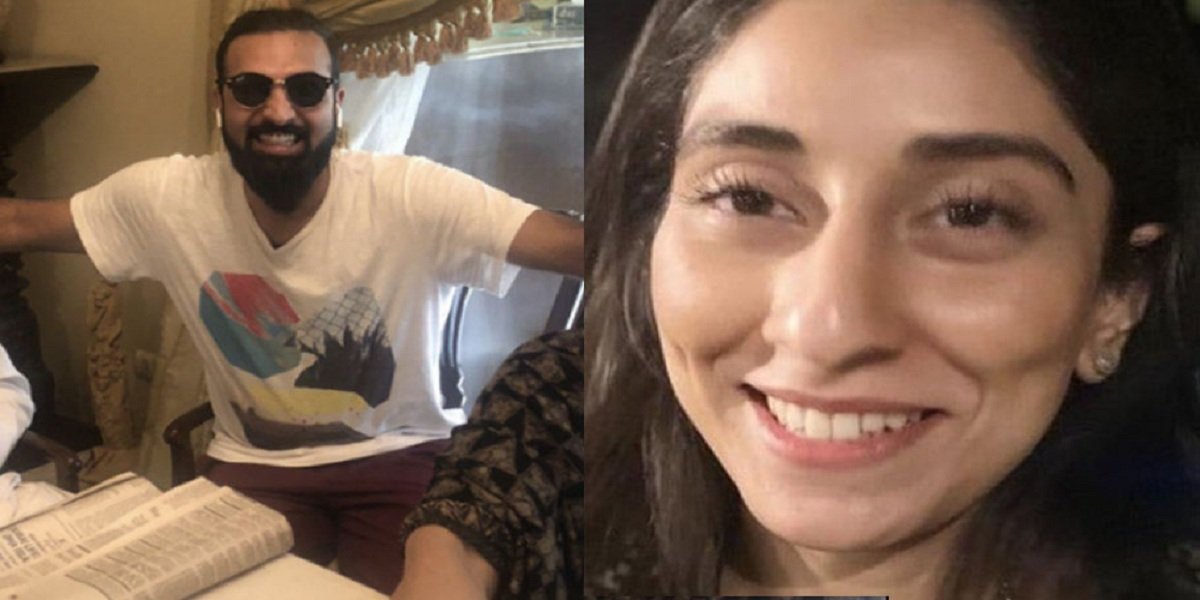
On the fiendish night of July 20, 2021, in a mansion in F-7/4 off Margalla Road, an upscale sector of Islamabad, Noor Mukadam was diabolically decapitated with a knife. She had been held captive for two days, tortured with a knuckleduster, raped, and then brutally murdered by Zahir Jaffer—son of Zakir Jaffer.
The horrific news of this heinous crime jolted every nerve of Pakistani society.
Noor Mukadam’s murder sparked a powerful wave of feminist action in Pakistan, galvanizing the public and intensifying demands for accountability and systemic change in response to violence against women. A groundswell of feminist activism followed the tragedy. The case exposed deep-rooted flaws in the justice system and cast a harsh light on the widespread issue of gender-based violence. Not only women and children, but men too were outraged by the savagely premeditated nature of the murder.
Since 2021, Noor’s case has been relentlessly pursued from one court to another. The nation, hand in hand, waited on edge for the day when justice would prevail. The path to justice has been painstakingly long and arduous—four years and still counting.
In the meantime, the gruesome murder of Sarah Inam by Shah Nawaz Amir shocked the nation once again. The people of Pakistan continue to seethe over the rising tide of rape and murder cases.
Love, friendship, and care—basic expressions of humanity—became the so-called ‘cardinal sins’ that led to the tragic deaths of these young women.
“To love or not to love?” might be the haunting question raised by these cases. But aren’t we, in effect, conditioning the trusting hearts of young women to fear love—and humanity itself?
Verdict Delivered
Death Sentence Upheld: The Supreme Court of Pakistan dismissed Zahir Jaffer’s appeal, upholding his death sentence for the brutal murder of Noor Mukadam—a crime that shook the nation. The court affirmed that Jaffer’s actions were premeditated and merited the ultimate punishment.
Life Imprisonment for Rape: While maintaining the death sentence for murder, the court converted the second death sentence for rape into life imprisonment—acknowledging the gravity of the crime while considering legal nuances.
Reduced Sentence for Abduction: The court also reduced Jaffer’s 10-year sentence for abduction to one year. Despite this reduction, the overall verdict ensures that Jaffer will face the full weight of the law for his crimes.
The Supreme Court’s decision brings a measure of closure to Noor’s family and underscores the judiciary’s commitment to upholding justice in the face of extreme violence. Yet, as the proverb goes: “There’s many a slip ’twixt the cup and the lip.”
Fatima Bhutto characterized Noor’s murder as “a test for a system that too easily bends to power and influence.”
Let’s not ignore the fact that Zahir Jaffer holds dual nationality—Pakistani and American. While his actions are considered aberrant by American societal standards, U.S. legal precedent often grants mercy to defendants proven to be mentally unfit. We can only hope that the truth of Noor Mukadam’s premeditated murder continues to see the light of day, unclouded by legal or diplomatic complications.
Justice Delayed Is Not Just a Cliché
High-profile cases like Noor’s gain attention—but what of the countless others that remain unheard? Justice must not be reserved only for the prominent or politically significant. This imbalance must be corrected.
Noor’s parents still visit her grave in the evenings. Elegance and grace, etched with sorrow, mark their presence. As a neighbor to Noor’s final resting place, I often see them making dua at her grave or simply spending time in silent remembrance. Sometimes, they smile faintly at the children playing in a quiet corner of the graveyard.
The proximity of this place blurs the lines between angels and demons. And in truth, only justice, pure and unsullied, can distinguish between the two.
A Broader Context
Various European and French organizations continue to campaign against the death penalty worldwide, which could influence Pakistan’s stance on capital punishment in the future. Nevertheless, in a case so brutally clear-cut, the execution of the death penalty must set a precedent to deter future perpetrators.
The Supreme Court of Pakistan has upheld the sanctity of the verdicts issued by lower courts after exhaustive review.
Philanthropist Ismael Sadat commented,
“The only way out in the case of Noor vs. Zahir is a supra-judicial encounter.”
Asim Zuberi, our neighbor and a retired PTV producer, remarked:
“Let’s see when it’s practically done. It took four hectic years just for the decision—who knows how long execution will take. Pathetic systems.”
The sentiments are powerful—strong enough to sustain the nation’s waning faith in the justice system.
We cannot forget the deep wounds left by the Zia era. In the notorious Shabnam Ghosh rape case, the rapist was pardoned by then-president Zia-ul-Haq. Zia, who seized power by subverting the Constitution, pressured the oppressed and innocent Shabnam into forgiving her attacker. The iconic Ghosh eventually left Pakistan, disillusioned and betrayed.
The Final Decision Rests with the President
Now, President Asif Ali Zardari holds the final authority. His decision will either affirm the Supreme Court’s verdict or undermine it—and with it, the nation’s faith in justice. The people of Pakistan are watching, waiting, and hoping that justice will not just be seen but done.
Capital punishment for a capital crime. Nothing less. Nothing more. The nation is waiting.