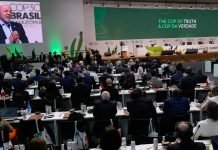
As the world prepares to converge in Belém, Brazil, this November for the 30th UN Climate Change Conference (COP30), expectations are high that this landmark summit will deliver more than just declarations. Scheduled for November 10 to 21, 2025, the event promises to drive concrete, measurable progress in the global fight against climate change.
Why Belém?
Belém, the capital of Pará state, sits at the edge of the Amazon rainforest—a region often referred to as the ‘lungs of the Earth’. With its intricate waterways, dense biodiversity, and fragile ecosystems, the city serves as both a symbol and a frontline in the battle against climate degradation. President Luiz Inácio Lula da Silva’s decision to host COP30 in Belém underscores Brazil’s commitment to spotlighting tropical forests and sustainable development in global climate discourse.
Brazil’s Preparations: Infrastructure and Inclusion
In anticipation of COP30, Brazil has rolled out a comprehensive set of initiatives:
-
Pre-COP in Brasília: A preparatory meeting on October 14–15 will fine-tune countries’ Nationally Determined Contributions (NDCs).
-
Upgraded Infrastructure: Belém’s airport is being expanded, while a new highway (Avenida Liberdade) and an enhanced cruise terminal are underway to improve city access.
-
Urban Sustainability: New eco-friendly hotels, revitalised public parks, and better flood-control and sewage systems are being developed to enhance the city’s climate resilience.
-
Inclusive Accommodation: More than 30,000 hotel rooms have been secured, alongside a special platform offering budget-friendly lodging options for participants from developing nations. Cruise ships will also help absorb accommodation overflow.
-
Visa Facilitation: A free, multi-entry e-visa is being launched to simplify travel for international delegates.
Brazil’s Green Policy Vision
Beyond logistics, Brazil is crafting a policy platform aimed at translating promises into practice:
-
Launching the ‘Tropical Forest Forever Facility’—a USD 125 billion blended-finance initiative to support global forest conservation.
-
Promoting circular economies through global collaboration to reduce waste and raise recycling rates.
-
Serving locally sourced food at COP30 to support family farms and reduce the conference’s environmental footprint.
-
Opening up civic participation with a ‘people’s summit’ and dedicated ‘Yellow Zones’ to amplify grassroots voices.
Pakistan’s Role and Shared Stakes
As a climate-vulnerable country, Pakistan brings painful lived experience to the COP30 dialogue. Recent years have seen it grapple with catastrophic floods and scorching heatwaves, making it a key voice at the summit. Pakistani representatives—government officials, youth leaders, and climate activists—are already engaging with preparatory events like the ‘RIO Trio Conference’ to build alliances and share expertise. Brazil’s inclusive visa policy and lodging plans are set to facilitate Pakistan’s active involvement.
A Turning Point for Climate Action
COP30 represents more than a high-level meeting—it is Brazil’s opportunity to steer climate diplomacy toward tangible, collective outcomes:
-
Diplomatic Leadership: Brazil’s focus on implementation and South-South cooperation provides a renewed path forward.
-
Concrete Solutions: From sustainable cities to climate finance, the initiatives are geared toward measurable impact.
-
Broad Participation: By lowering logistical barriers, COP30 aims to ensure that all voices, particularly from the Global South, are heard.
As Belém readies to host the world, the Amazonian setting reminds us what is at stake—and what is still possible. Brazil’s preparations offer a hopeful signal that climate diplomacy can evolve from ambition to action. For countries like Pakistan, the summit is not just a platform but a partnership opportunity rooted in shared vulnerabilities and hopes.