
The skies once prayed for in parched seasons now thunder with fury. What used to be rain has turned into ruin. In Pakistan, the monsoon has become a monster, devouring homes, dreams, and lives. With every drop, the country sinks deeper into a climate catastrophe it did not create but is forced to endure.
Floods Are No Longer a Surprise
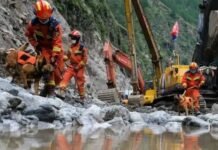
This year, once again, floodwater swallowed entire villages. The news comes not as a surprise, but as a recurring nightmare. More than just statistics, these are lives—mothers wading through waist-deep water with infants clutched to their chests, fathers digging through mud where homes once stood, children staring silently at a future drowned before it began.
Pakistan Is Paying for a Crisis It Didn’t Cause
The Overseas Investors Chamber of Commerce and Industry (OICCI) has voiced what many feel but few can fix—that these climate disasters are not isolated events. They are the grim echoes of a world warming too fast, too unfairly. Pakistan is among the most climate-vulnerable nations in the world, yet it contributes less than 1% to global carbon emissions.
Still, it pays the heaviest price.
A Broken Climate, A Breaking Economy
Torrential rains and flash floods are no longer seasonal accidents; they are symptoms of a broken climate system. The economic scars run as deep as the emotional ones—ruined crops, shattered infrastructure, displaced communities, and a national economy already staggering under other burdens. For Pakistan, climate change is not a policy debate—it is a daily survival battle.
The $348 Billion Question
The 3rd Pakistan Climate Conference organized by the OICCI laid bare the reality. Pakistan needs nearly $348 billion in climate investment by 2030 just to adapt and survive. It’s a figure that is staggering—one that no single country, especially not one already on the edge, can afford alone.
Climate Knows No Borders—Neither Should Help
The OICCI is right—climate change knows no borders, and neither should the help. It is a storm that started far from Pakistan’s shores, but now rages in its streets, fields, and mountains.
So where is the world?
From Crisis to Collective Responsibility
This is a moment for global action. A test of shared humanity. Pakistan does not seek charity; it asks for climate justice. Rich nations, global institutions, and development partners must step forward—not with words, but with funds, technology, and real solidarity. We need policies that protect, infrastructure that endures, and communities that can bounce back, not break apart.
Turning Commitment into Concrete
The foreign investor community, through OICCI, has shown its commitment. But commitment must turn into concrete. Climate resilience must be woven into every road built, every home raised, and every seed planted. From the dry hills of Balochistan to the urban sprawl of Karachi, from the riverbeds of Punjab to the floodplains of Sindh—Pakistan must be fortified against the floods of tomorrow.
The Waters Will Recede, But Will the World Rise?
The floodwater will recede. But what remains is the question:
Will the world rise with Pakistan, or let it drown in a storm it never summoned?
Because when one nation suffers the wrath of a changing climate, all nations are at risk. And no wall, wealth, or willful ignorance can stop the tides from rising.
The Time Is Now
The hour is late, the skies are weeping, and the ground beneath us is slipping.
But with global hands joined, perhaps we can build higher ground—together.
For Pakistan, for the planet, the time to act is not tomorrow. It is now.