
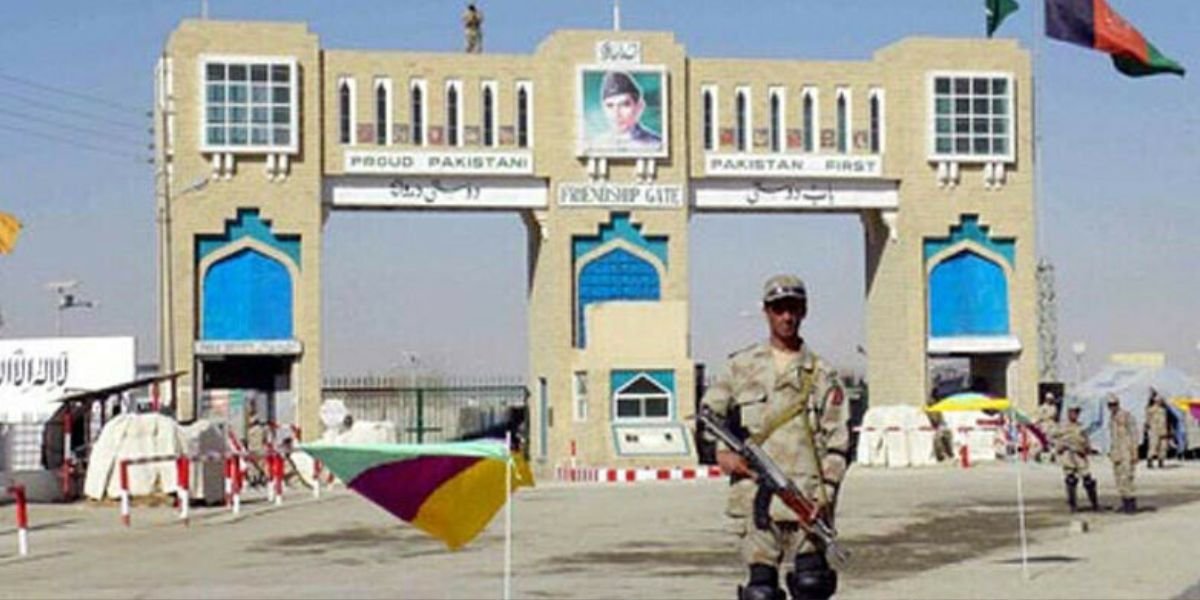
Pakistan has targeted seven “terrorist camps and hideouts belonging to Pakistani Taliban of [Fitna al Khwarij] and its affiliates and [the Islamic State-Khorasan Province] at the border region of Pakistan Afghan border,” the Ministry of Information and Broadcasting said.
According to the statement published on X, the action was taken, “in the aftermath of recent suicide bombing incidents in Pakistan, including Imam Bargah at Islamabad, one each in Bajaur and Bannu, followed by another incident today in Bannu during the holy month of Ramazan,”
The Fitnat al Khawarij is a term the state uses for terrorists belonging to the banned Tehreek-I-Taliban Pakistan (TTP).
The statement said that Pakistan has conclusive evidence that these acts of terrorism were perpetrated by Khwarij on behest of their Afghanistan-based leadership and handlers. Responsibilities for these attacks were also claimed by Afghanistan-based Pakistani Taliban belonging to Fitna al Khwarij (FAK) and their affiliates, and Islamic State of Khorasan Province (ISKP).
The statement asserted that “Pakistan has always strived for maintaining peace and stability in the region, but at the same time, the safety and security of our citizens remains our top priority”, adding that the action against the seven camps and hideouts was “a retributive response”, carried out based on “intelligence-based selective targeting”.
“Pakistan expects and reiterates [that the] Interim Afghan Government […] fulfil its obligations and deny use of its soil by Khwarij and terrorists against Pakistan as the safety and security of people of Pakistan comes first and foremost. Pakistan also expects the international community to play a positive and constructive role by urging the Taliban regime to stand by its commitments as part of [the] Doha Agreement to deny use of its soil against other countries; an act vital for regional and global peace and security,” the statement added.
the statement noted that despite repeated efforts by Pakistan to urge the Afghan Taliban Regime to take verifiable measures to deny use of Afghan territory by terrorist groups and foreign proxies to carry out terrorist activities in Pakistan, the Afghan Taliban Regime failed to undertake any substantive action against them.
Pakistan has seen a surge in violence in recent years, much of it blamed on the TTP and outlawed Baloch separatist groups. Pakistan accuses the TTP of operating from inside Afghanistan, a charge the group denies. However, The Taliban government has also consistently denied sheltering anti-Pakistan armed groups.
Ties between the neighbouring countries have remained tense since October, when deadly border clashes killed dozens of soldiers, civilians and suspected fighters.
The violence followed explosions in Kabul, which Afghan officials blamed on Pakistan.
A ceasefire mediated by Qatar on October 19 has largely held, but subsequent talks in Turkiye’s Istanbul failed to produce a formal agreement.
Also read: Weather disrupts key Pakistan vs New Zealand T20 clash