BY FAISAL FAROOQ
Pakistan stands among the most severely affected nations by the climate crisis. In recent years, the country has grappled with a series of climate-related challenges, including floods, droughts, and now, unexpected spring rains. These shifting weather patterns pose a significant threat to agriculture, particularly the wheat crop, and have the potential to profoundly impact food security across the country.
Pakistan is ranked 12th worldwide in the severity of climate change’s impact on agriculture and livelihoods. The recent heavy rainfall has heightened the risk of crop damage throughout the nation.
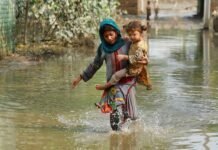
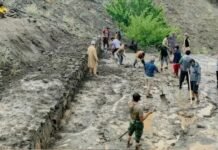
The nation has endured consecutive days of severe weather, resulting in loss of lives, destruction of property, and farmland devastation. Experts attribute Pakistan’s unusually heavy April rainfall to climate change, exacerbating the situation. In Khyber Pakhtunkhwa and Baluchistan, which have borne the brunt of these downpours, authorities have issued flood alerts due to glacier melting in multiple districts.
According to NDMA (National Disaster Management Authority), lightning strikes and heavy rainfall have claimed the lives of at least 36 individuals, primarily farmers, across Pakistan. The situation prompted authorities to declare a state of emergency in some areas.
Spokesman for the provincial disaster management authority, Arfan Kathia said that the majority of fatalities occurred as lightning struck farmers during wheat harvesting and as houses collapsed due to the rains in eastern Punjab province. He also noted that further rainfall is anticipated throughout the week.
Dr. Naveed, an environmental expert, said the significant April rainfall is atypical as the country experienced a heatwave during March and April, and now we’re seeing rainfall, all of which can be attributed to climate change. He remarked this same climate phenomenon resulted in severe flooding in 2022.
Nawaz Raza, a farmer in the Potohar region, where heavy rain in the harvesting month of April has destroyed wheat, said climate change is playing havoc with our lives. He said the persistent heavy rain and hailstorms, lingering into April, have exacerbated their challenges in providing for their families. The wheat crop, which typically ripens under the hot sun, faced delayed harvesting due to the prolonged wet and cool weather. Normally harvested in the last week of March or the first week of April, this year’s cutting was postponed by several weeks.
Former director general of Pakistan Meteorological Department, Dr. Qamar Zaman Chaudhary said this unprecedented rain phenomenon is attributed to climate change, resulting in significant damage to crops in Pakistan. According to him, this abnormal occurrence is a clear indication of climate change, and its impact has resulted in considerable damage to this region.
Pakistan, situated in a warm geographical region, is particularly susceptible to atmospheric changes, with temperatures rising at a rate surpassing the global average. The landscape is mostly arid and semi-arid, with approximately 60% of the territory receiving less than 250 mm of rainfall annually, and 24% receiving between 250-500 mm.
The country’s rivers primarily rely on glacial melt from the Hindu Kush-Karakoram Himalayas, which are dwindling rapidly due to global warming. Given the agrarian nature of its economy, Pakistan is exceptionally vulnerable to these environmental shifts.
Also Read: Melting Glaciers and Water Scarcity in Pakistan: A Looming Crisis