As Pakistan navigates through a myriad of economic challenges, the need for comprehensive reforms across various sectors has become increasingly apparent. With the recent presentation of the budget for the fiscal year 2023-24 by the PDM government, the spotlight is once again on the country’s economic landscape and the urgent need for reforms.
At the heart of Pakistan’s economic woes lies a host of issues spanning taxation, agriculture, trade, energy, and power sectors, among others. These sectors are plagued by inefficiencies, lack of modernization, and policy bottlenecks that hinder their growth and contribution to the overall economy.
Taxation Reform: Pakistan’s tax system is in dire need of reform to broaden the tax base, improve tax compliance, and enhance revenue generation. The government must strive to simplify tax procedures, curb tax evasion, and promote a culture of tax compliance among citizens and businesses alike.
Agricultural Sector: Agriculture remains the backbone of Pakistan’s economy, yet it faces numerous challenges such as water scarcity, outdated farming practices, and lack of modernization. To unlock the full potential of the agricultural sector, investments in irrigation infrastructure, research and development, and technology adoption are imperative.
Trade and Commerce: Pakistan’s trade deficit continues to widen, highlighting the need for policies that promote exports and reduce reliance on imports. Facilitating trade through improved infrastructure, reducing bureaucratic hurdles, and exploring new markets for Pakistani products are essential steps in this direction.
Energy and Power: The energy sector in Pakistan is plagued by chronic power shortages, inefficiencies in distribution, and reliance on expensive fuel sources. Transitioning towards renewable energy sources, improving transmission and distribution networks, and attracting investment in the energy sector are critical for ensuring uninterrupted power supply and reducing the burden on consumers.
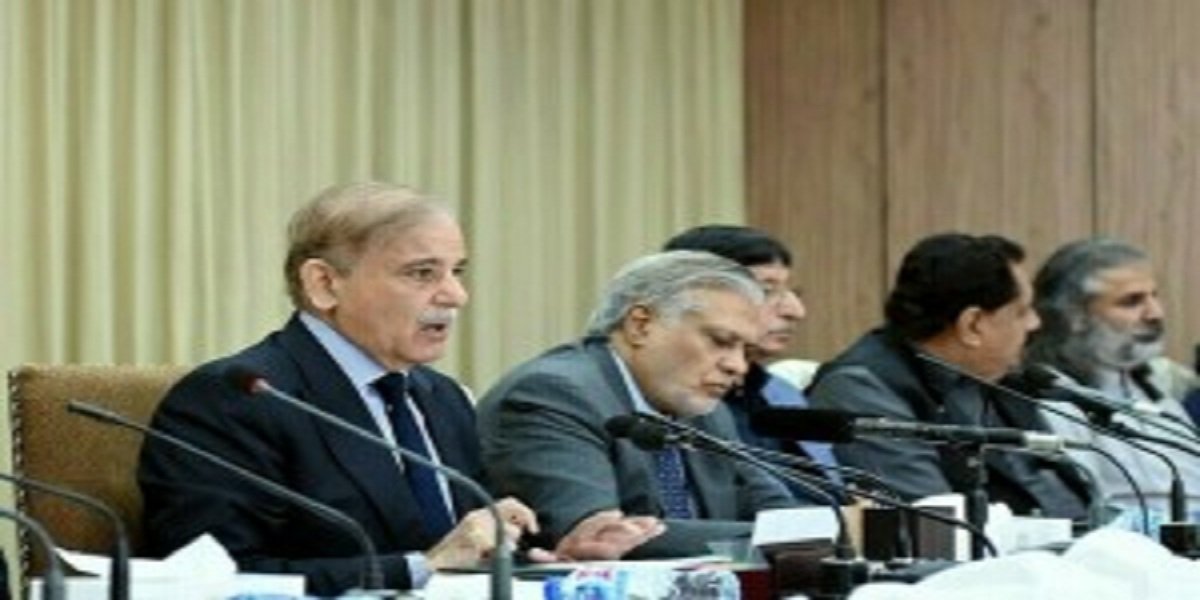
Political Stability and Economic Progress: Political stability is intrinsically linked to economic stability, as reiterated by Prime Minister Shehbaz Sharif. In the absence of political stability, investors are hesitant to commit capital, leading to economic uncertainty and stagnation. Therefore, it is imperative for political forces to prioritize national interests over partisan agendas to foster an environment conducive to economic growth and development.
Transforming to an Export-Based Economy: Pakistan’s economy has long been driven by domestic consumption, leading to trade imbalances and external debt burdens. To achieve sustainable economic growth, Pakistan must transition towards an export-oriented model by enhancing competitiveness, diversifying exports, and attracting foreign investment. This transformation requires creating a conducive business environment characterized by stability, transparency, and investor protection.
Addressing Extremism and Lawlessness: The prevalence of extremism and lawlessness poses a significant threat to Pakistan’s economic prospects. Investors are deterred by security concerns and instability, hindering economic growth and development. Therefore, combating extremism, ensuring law and order, and strengthening institutions are essential for creating a secure and conducive environment for investment and economic prosperity.
In conclusion, Pakistan stands at a critical juncture where bold reforms and decisive actions are needed to address its economic challenges and unlock its true potential. By prioritizing reforms in key sectors, fostering political stability, and creating an enabling environment for investment, Pakistan can chart a path towards sustainable economic growth and prosperity for its citizens.
Also Read: Ishaq Dar tables Rs14.4tr federal budget avoids new taxes in election year, envisages 3.5% growth