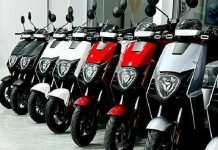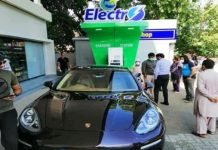

By end of 2025, one in every four cars sold globally is expected to be an electric vehicle, a sharp rise from just one in 20 only five years ago, according to the International Energy Agency. In China, the transformation is even more dramatic: more than half of all new vehicles sold are now electric, many of them cheaper than their gasoline rivals.
China’s Homegrown Powerhouses
Chinese automakers like BYD, NIO, Xpeng, Zeekr, Geely and Chery dominate their domestic market and are rapidly expanding abroad. Their lineup ranges from ultra-affordable subcompacts such as the BYD Seagull to luxury vans like the Zeekr 009. Independent crash tests in Europe have given many Chinese EVs top safety ratings, strengthening their case for international buyers.
Why China Leads
China’s edge comes not only from lower labor costs and government subsidies, but also from speed and innovation. Companies like BYD employ more than 100,000 scientists and engineers, rolling out new models in just 18 months—half the time of Western automakers. BYD also sells its own high-tech batteries, including a new version that can recharge in just five minutes. Inside the cars, Chinese manufacturers are reimagining travel with massive touchscreens, beds, refrigerators and even karaoke systems.
Exports Accelerate
China already exports more vehicles than any other nation, and EVs are becoming a growing share. Their next big test is international markets in Europe, Latin America, Southeast Asia and Australia. But North America remains off-limits.
Tariff Fortress in North America
The U.S. and Canada have imposed 100% tariffs on Chinese EVs, effectively doubling their sticker price. That makes low-cost models like the BYD Dolphin or Xpeng M03—priced under $25,000 in China—uncompetitive in the U.S., where the average EV still costs around $55,000. With tax credits due to expire in late 2025 under the Trump administration, affordable EVs will remain scarce in North America.
A Familiar Pattern?
The situation echoes the resistance Japan faced when its cars first entered the U.S. market in the 1970s and 80s. Over time, Japanese brands overcame that barrier by building factories in America and winning over consumers. Whether Chinese automakers follow the same path remains uncertain—but with an oversupply at home and aggressive ambitions abroad, they may have little choice.