As the curtains closed on COP29 in Baku, Azerbaijan, the climate community took a deep breath—not of relief, but of resolve. For developing countries, the annual UN Climate Conference was a mixed bag: progress was made, but the road ahead remains steep, with billions still needed, policies still vague, and climate impacts growing more severe.
From a climate justice perspective, COP29 offered hope but also made it clear that ambition alone will not be enough without accountability, action, and real support.
$300 Billion Promise: Ambitious or Aspirational?
The biggest headline from COP29 was the agreement on a new climate finance target: $300 billion a year by 2035 for developing countries. This is a significant win on paper, especially as it replaces the much-criticized and unmet $100 billion annual goal set back in 2009.
But there’s a catch: the actual need is far greater. The United Nations Conference on Trade and Development (UNCTAD) estimates that developing economies will require up to $1.46 trillion annually by 2030 to truly respond to climate challenges. This financial gap highlights the need for not just commitments, but clear and credible plans to deliver them.
The newly launched “Baku to Belém Roadmap to $1.3 Trillion” offers a potential path forward, leading to COP30 in Brazil next year. The question remains: will rich countries walk the talk this time?
Carbon Markets: From Credibility Crisis to Climate Tool?
Another area of progress was carbon trading. COP29 advanced the global framework for carbon markets, which—if designed correctly—could help developing countries attract investment while cutting emissions.
However, concerns remain about greenwashing and fairness. Past carbon markets have often benefited wealthy polluters while communities in the Global South paid the price in lost land or limited benefits.
UNCTAD emphasized the need for high-integrity, transparent systems that truly help developing nations meet development goals. Carbon credits must be credible, reviewed, and rooted in equity, not exploitation.
Trade Joins the Climate Conversation
For the first time, trade policies were formally included in climate negotiations. This is a significant shift, especially as climate-related trade barriers (like carbon taxes or green tariffs) can either help or hurt developing economies.
The Baku Initiative for Climate Finance, Investment, and Trade stressed the need to align climate and economic policies. For climate action to be fair, trade rules must support green development, not block it.
Adaptation and Loss & Damage: Still Playing Catch-Up
Developing countries have long called for more focus on adaptation, not just cutting emissions. COP29 responded by advancing work on national adaptation plans and emphasizing that finance must be a key indicator of success.
More promising was the operational launch of the Loss and Damage Fund, a long-awaited step towards compensating countries already suffering from climate disasters. However, the money pledged—$700 million—is a fraction of what’s needed ($150 billion per year, according to UNCTAD).
UN Secretary-General António Guterres said it bluntly: “This doesn’t come close to righting the wrong inflicted on the vulnerable.”
The Just Transition Must Be Truly Global
Discussions on a Just Transition—making sure no one is left behind as the world shifts to green energy—focused heavily on global fairness. For many poorer nations, this means receiving financial, technical, and political support as they reduce fossil fuel dependence.
These conversations will continue into 2025, but the message is clear: the world’s most vulnerable need tailored support and inclusion in all transition planning.
Mitigation: The Countdown to 2025
The Global Stocktake showed the world is far off track in cutting emissions. However, it also set the tone for the next round of national climate plans, due by February 2025. For developing countries, the call is loud and clear: help us raise ambition by giving us the tools to do it.
Encouragingly, several countries began announcing new, bolder plans at COP29. The race is now on to translate these plans into action ahead of COP30.
Looking to COP30: Brazil Holds the Baton
While COP29 made progress, it also reminded us how fragile global climate cooperation can be. The big themes—finance, fairness, and follow-through—will define the lead-up to COP30 in Belém, Brazil.
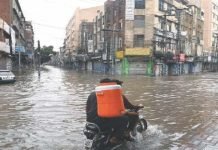
For developing countries, the stakes couldn’t be higher. From climate-linked floods and droughts to growing debt and shrinking development space, they are on the frontlines of a crisis they did little to cause.
But with a bolder finance roadmap, stronger rules for carbon markets, and real recognition of trade, adaptation, and justice, COP29 has laid down the challenge:
Will the world rise to meet it? Or will promises once again fall short of the climate emergency we face?
The time for talk is over. 2025 must be the year of delivery.