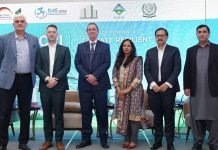

ISLAMABAD: At a gathering of policymakers, diplomats, civil society leaders, and journalists bore witness to a compelling moment in Pakistan’s climate journey: the third edition of the Pakistan Gender Climate Award (GCA), a national initiative placing women at the heart of climate resilience.
The event, organized by the Civil Society Coalition for Climate Change (CSCCC) in collaboration with the Embassy of France, Ministry of Climate Change and Environmental Coordination (MoCC&EC), UNDP, and other partners, spotlighted women-led climate action under a critical theme—gendered dimensions of climate vulnerability and leadership.
“Women are not merely victims—they are powerful agents of change,” declared a panelist during one of the event’s pivotal discussions.
This message resonated throughout the sessions, with speakers repeatedly stressing the urgent need to embed women’s leadership at every level of climate planning—especially in Pakistan’s rural communities, where the impacts of climate change are deeply gendered.
Recognizing Change-Makers: Award Winners of GCA 2025
This year’s Gender Climate Award featured two categories:
-
Climate Action: Awarded to Anusha Fatima for her groundbreaking grassroots work promoting climate resilience in underserved communities.
-
Climate Journalism: Presented to Aisha Farrukh for her compelling narratives that spotlight the intersection of gender and climate challenges.
Each winner received PKR 1.2 million to further their work—marking not just recognition, but investment in women-led climate innovation.
Paris Agreement Anniversary and a Renewed Commitment
Marking the 10th anniversary of the Paris Agreement, French Ambassador Nicolas Galey reaffirmed France’s commitment to inclusive climate action, calling the GCA a “flagship initiative for equitable climate diplomacy.”
Samuel Rizk, UNDP Resident Representative in Pakistan, echoed this by describing the award as a “model for intersectional climate leadership that aligns with global sustainable development goals.”
From Victimhood to Leadership
A key theme throughout the event was the reframing of women—not as passive victims—but as strategic actors in climate adaptation. Rural women, often on the frontlines of environmental degradation, are increasingly driving local innovations, influencing policy, and reshaping the future of climate resilience.
“Acknowledging women’s contributions is not charity—it’s a strategic imperative,” emphasized one speaker, calling for structural reforms to ensure equitable representation in decision-making.
State Backing for Climate Equity
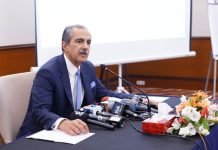
Delivering the keynote address, Dr. Shezra Mansab Ali Khan Kharal, Minister of State for Climate Change, lauded the initiative for not only celebrating women’s achievements but also laying the foundation for inclusive governance.
“Women are reshaping resilience on the ground. We, as a government, stand ready to institutionalize and scale these efforts,” she affirmed.
The event concluded with a sense of urgency and optimism. As Pakistan grapples with rising climate threats—from floods to heatwaves—the GCA 2025 served as a clarion call to mainstream gender in climate policy and programming.