PESHAWAR: The Food and Agriculture Organization (FAO) of the United Nations (FAO) has refurbished 14 veterinary diagnostic laboratories in newly merged districts of Khyber Pakhtunkhwa to strengthen capacities and improve livestock services in the area.
These labs are refurbished with civil works and labs that are equipped with diagnostic tools and storage facilities to facilitate long-term storage of vaccines and solar energy to ensure the uninterrupted power supply.
FAO with support from United Kingdom’s Department for International Development (DFID) has completed the work on 14 labs at selected locations in Orakzai, Kurram, North Waziristan and South Waziristan districts, said an official of FAO here Tuesday.
She said that FAO was also working in close collaboration with the Livestock and Dairy Development Department of KP’s merged districts and establishment of veterinary diagnostic laboratories were a part of the activities that will support diagnoses, control, and eradication of diseases in animals.
Specimens from animals that are suspected to have been affected by infectious and non-infectious diseases could be analyzed in the laboratories which would help detection of causative agents for timely diagnosis of diseases and treatment.
Similarly, fecal examination could be performed in these laboratories and proper anthelmintic drugs could be prescribed upon detection of parasites.
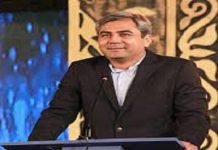
A healthy animal, free of diseases and worms have increased production, resulting in enhanced food security and livelihoods for the vulnerable communities. “Modernization of the veterinary diagnostic laboratories play a critically important role in advancing animal farming in the newly merged districts, where advantages of modern technologies could not be accessed for decades,” said Farrukh Toirov, Deputy FAO Representative in Pakistan.
FAO in coordination with Livestock and Dairy Development Department (L&DDD) was also working to provide animal health and breed improvement services to the livestock farmers in the merged districts through a network of established veterinary institutions.
These institutions have been categorized into civil veterinary hospitals, civil veterinary dispensaries and artificial insemination centers where veterinary officers, veterinary assistants/supervisors are placed. The basic purpose of these institutions was to provide animal health services, artificial insemination and livestock extension activities in the target areas.
FAO with support from DFID has accessed approximately 42,000 households to resume agricultural production and restart normal economic activities and reduce poverty and economic inequalities through sustainable agriculture development in the targeted districts.
With input from INP
Read more: Fire gutted more than 30 shops in Mansehra