ISLAMABAD: The National Emergencies Operation Centre (NEOC) has issued impact-based weather alerts across Pakistan ahead of severe weather expected from July 2 to 8.
The alerts highlighted the growing risk of flash floods, Glacial Lake Outburst Floods (GLOFs) and urban flooding in different parts of the country.
The current spell of low to moderate rains is likely to continue until July 5, the National Disaster Management Authority (NDMA), which oversees the NECO, said in a statement.
An active southwest monsoon system, coupled with a westerly wave, is expected to enter the country, which would bring moderate to heavy rainfall and localised thunderstorms, it added.
The most affected regions are upper catchments of major rivers, including central and lower Khyber Pakhtunkhwa, Azad Jammu and Kashmir (AJK) and the northeastern parts of Punjab, particularly Lahore.
Due to the forecast, increased river flows are expected across the country. In particular, the Kabul River at Nowshera is likely to receive a surge due to swelling of its tributaries, such as the Swat River, Panjkora, Bara, and Kalpani Nullah.
Inflows into Tarbela Dam may reach the low flood limit. Flash floods in riverine areas, especially where nullahs and local streams converge, may pose threats to nearby settlements.
Simultaneously, the risks of glacial lake outburst floods and landslides have increased in Gilgit-Baltistan and KP, where ongoing high temperatures have accelerated glacier and snow melt.
The situation is further aggravated by incoming moist currents and rainfall. Vulnerable glacial valleys and narrow mountain passes may face sudden GLOF events, flash floods, road blockages, and disruptions to infrastructure and tourism.
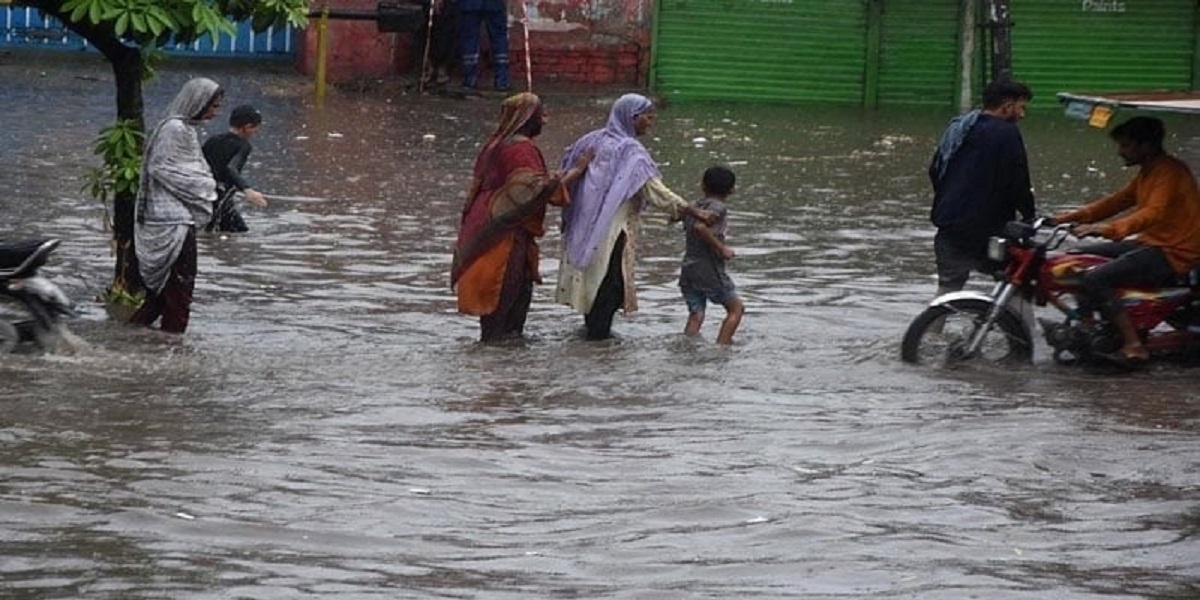
In northeastern Punjab, including Lahore, Sialkot, and Narowal districts, local nullahs such as Aik, Deg, Bein, Basantar, and Palku may overflow, causing waterlogging and urban flooding in low-lying neighborhoods.
In DG Khan and Rajanpur, hill torrents may also be activated, causing localised low-level flooding.
The NDMA urged the public to take precautionary measures and asked residents in at-risk areas to avoid unnecessary travel, secure important belongings, and prepare for potential evacuation.
Tourists are advised against visiting high-altitude and glacial regions during this period.
Municipal and district administrations are instructed to ensure the readiness of flood response teams, the clearing of stormwater drains and nullahs, and the maintenance of rapid response capabilities.
Motorists should avoid driving through flooded roads and underpasses, which can be hazardous even at shallow water levels.
The authority encourages all citizens to stay informed through official advisories, safety instructions, and early warnings.
Read more: Climate Chaos: The Drowning Age