ISLAMABAD: Pakistan is spending over $4 billion ever year to import edible oil from different countries to meet the requirements of the people.
Country imports canola, sunflower, soybean and olive oil. Canola oil is imported from Canada and Australia, sunflower oil from Ukraine and Russia, and soybean oil from the United States and Argentina.
Despite having the potential, resources, and capability to become self-sustainable in production of edible oil, Pakistan is spending huge foreign exchange resources on import of a product which can be produced locally.
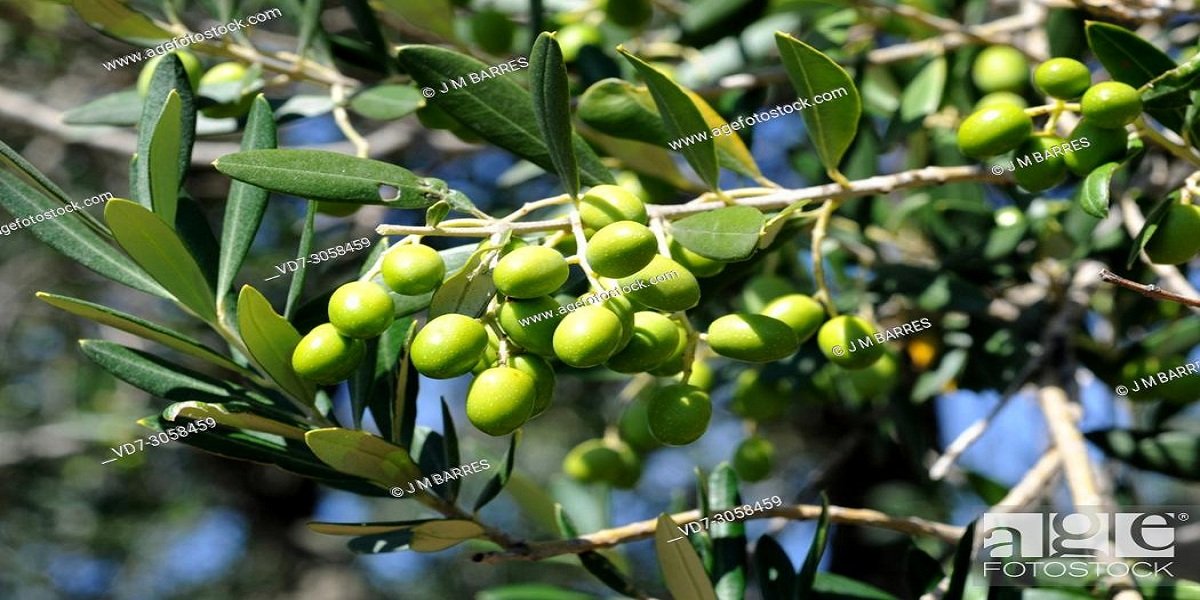
Country possesses a suitable for producing high quality of olive in different parts as the climate, soil and air for Olive plant, besides Olive by exploiting the environmental potential country can produce different kinds of oil seeds like sunflower, canola, mustard.
Experts said there are estimates of over 50 million wild olive trees in Malakand division alone, which if grafted, could help Pakistan generate millions of dollars. Pakistan ranks among the top five edible oil importing countries, despite having the potential to produce its own product.
Pakistan imports 75 per cent of its edible oil to meet the country’s demand, of which 94 per cent is palm oil, most of it coming from Malaysia.
Pakistan also imports 2.2 million tons of oil seeds every year as edible oil seed production is disappointingly low.
The edible oil production is less than 27 per cent in the country which remaining is being importing at the cost of $4 billion. The main cause of all the episode is decades of negligence, lack expertize to be given to farmers in different mountainous areas as well as the plains in Khyber Pakhtunkhwa, Balochistan and Punjab provinces. These areas are high potential for production of oil seeds and are good especially for olive plantation. The negligence on the part of government are stopping the oil industry from becoming a sustainable one and saving huge foreign exchange reserves.
A report revealed that there are an estimated 70 million wild olive trees in the mountains of Khyber Pakhtunkhwa including its merged districts of former FATA. People mostly cut them to feed their cattle and cook food. They are unaware of the tree’s economic potential and its importance for the environment as well as for country’s economy.
Deforestation is taking a toll on the ecosystem in the area, leading to land degradation, soil erosion, and ultimately, unemployment.
As per World Wildlife Fund (WWF), Pakistan is second highest rate of deforestation in Asia, and is losing its ability to absorb carbon from the atmosphere. Incessant large-scale deforestation is causing prolong droughts, rising heatwaves, erratic rain patterns and sudden flash floods. These devastating impacts are outpacing Pakistan’s efforts to deal with climate change.
According to reports protecting forests from deforestation requires people to save existing ecosystems and plant more, since this could help bolster the livelihoods of communities where they grow.
Grafting millions of wild olive trees, which entails joining the upper part of plants so they grow together, is an agricultural technique that requires little effort but could produce major dividends, the experts revealed.
The experts also said that offset this destruction, people in Pakistan must consider grafting to generate money from these trees. “This will not only save our forests from being cut down, but provide a sustainable food chain, create jobs for hundreds of thousands of people and reduce dependence on oil imports,” they said.
Read more: Nepal’s holy Bagmati River choked with black sewage, trash