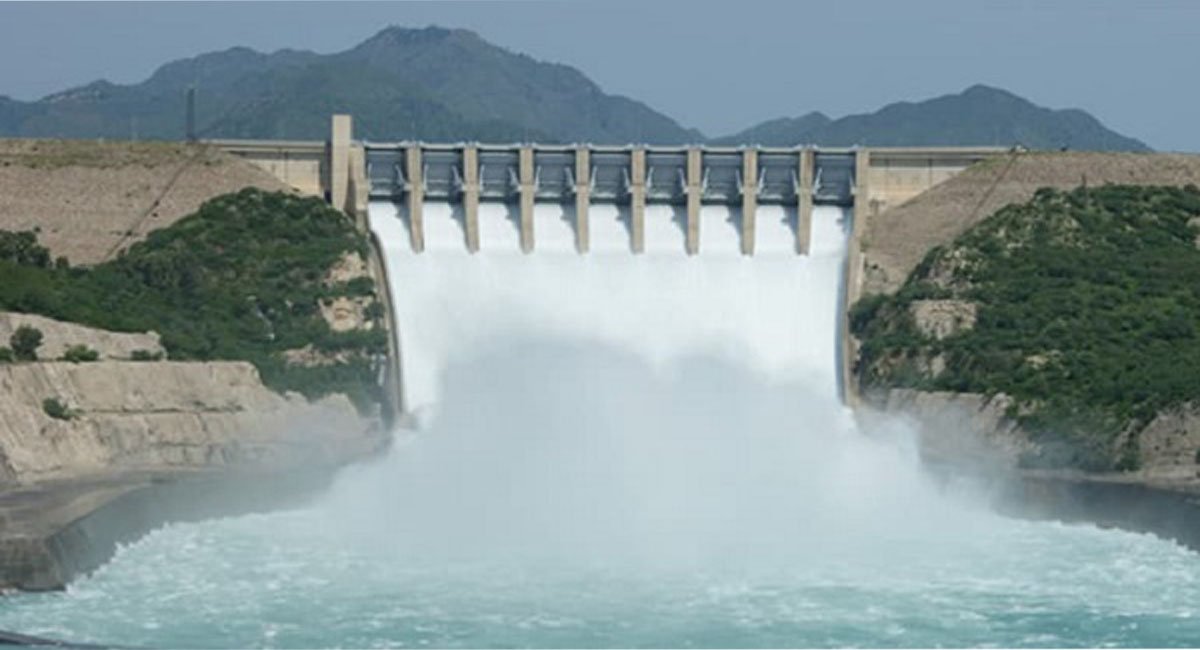
ISLAMABAD: The government plan to carry out a major reshuffle in the sources of electricity to reduce its dependency on imported fuel and to maximize the share of hydroelectric and other renewa
Pakistan is set to increase the share of its installed capacity of hydropower and renewable energy by 2030 in a bid to cut the cost of electricity production.
Officials privy to the development said that over a period of time, dependency on the imported fuel (furnace oil, Regasified Liquefied Natural Gas (RLNG)) to produce electricity has hiked up the cost of energy for the consumers.
According to the new plan (IGCEP 2021-30), the overall generation capacity in the system would be increased from 34,100 Mega Watt (MW) in 2021 to 53,315MW in 2030 to meet the estimated demand of 34,377MW at that time.
A major increase in capacity is planned in the hydropower and wind plants. Around 6,447MW of existing power generation capacity would be retired during the decade.
With the passage of time, the share of installed hydropower capacity would be increased from 29% to 33% by 2025 and then to 49% by 2030, while the share of furnace oil would be taken to zero, eliminating the costliest source of electricity generation.
Although a few furnace oil power plants would be there, these would not be used unless the situation demands.
The share of LNG would also be taken to zero while the share of gas would be reduced from 10% to 3%. It will certainly decrease the cost of electricity production in Pakistan.
According to the proposed plan, the share of solar and wind in the overall energy mix would be increased from about 3% in 2021 to 10% in 2030. This would result in the capacity addition of 1,083MW of solar and 2,000MW of wind till 2030.
Statistics show that the government is set to increase the share of nuclear energy from 7% to 13% by 2030. (With Input from INP)