
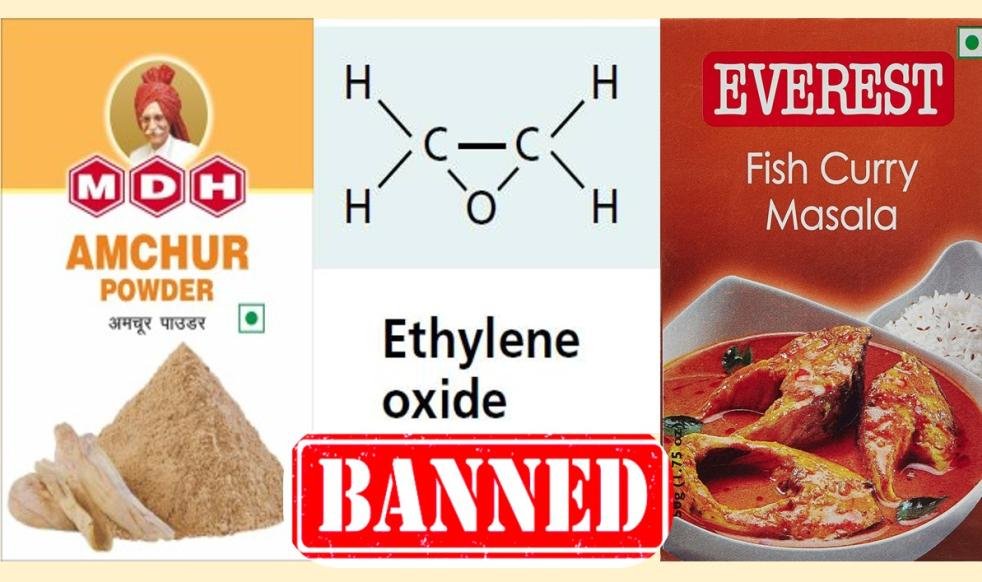
NEW DELHI: Indian spice exporters are under investigation after tests revealed elevated levels of cancer-causing pesticides in their products, sparking concern among global food regulators.
The Spices Board, India’s main regulator for spice exports, has begun inspections at processing and manufacturing plants belonging to MDH and Everest, two leading brands.
The investigation started over a month after Hong Kong suspended the sale of three spice blends produced by MDH and one by Everest, citing high levels of a carcinogenic pesticide called ethylene oxide.
Singapore ordered a recall of an Everest mix, while New Zealand, Australia, and the United States are examining complaints about the two brands.
Britain’s food watchdog has applied extra control measures to all spice imports from India, the Food Standards Agency reported.
“We have conducted three consultations with the industry,” a senior Spices Board official was quoted as saying by the Mint newspaper, adding that the industry is taking a serious approach to the matter.
A report on Tuesday in the Financial Express indicated that initial testing by Indian officials found no evidence of ethylene oxide in MDH spices, but “in the case of Everest, some of the samples (out of 12) were non-compliant.”
“We have told them to take corrective actions and we are working with them to ensure compliance,” the unnamed official said.
The two Indian companies have stated their products are safe for consumption, with MDH denying the use of ethylene oxide in its spice mixes. “We reassure our buyers and consumers that we do not use ethylene oxide at any stage of storing, processing, or packing our spices,” MDH stated.
Ethylene oxide, generally used as a disinfectant, sterilizing agent, and insecticide to reduce microbial contamination, is considered carcinogenic beyond permissible limits.
This limit is not standardized worldwide. Hong Kong completely prohibits the use of ethylene oxide in food, while the European Union limits its usage to 0.1 mg per kg.
The US Environmental Protection Agency states that regular exposure to ethylene oxide over many years increases the risk of cancers, including non-Hodgkin’s lymphoma, myeloma, lymphocytic leukemia, and breast cancer.
Growing global scrutiny of Indian spices has raised concerns about the risk posed to the country’s spice export industry, which, according to the Spices Board, was worth $4 billion in 2022-23.
The Global Trade Research Initiative, a think tank in New Delhi, estimates that more than half of all overseas orders could be impacted.
About 14.5 percent of MDH shipments to the US have been canceled since 2021 due to the presence of salmonella bacteria, according to a report analyzing US FDA data.