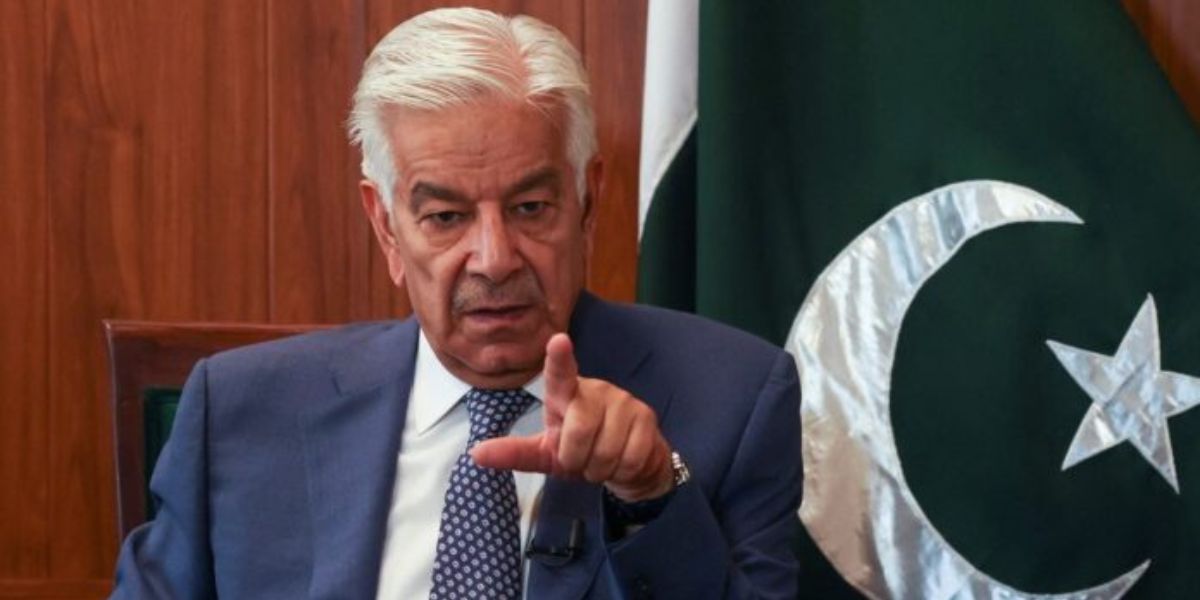
Khawaja Asif Warns Kabul Against Provocation

Islamabad:  Rising tobacco and nicotine use among Pakistan’s youth, especially around educational institutions, emerged as the central concern at a national review session on tobacco control held by the Aurat Foundation in Islamabad. Participants from Parliament, government departments, health organizations, and civil society warned that easy availability of cigarettes, vapes, nicotine pouches, and flavored tobacco near schools is creating a growing public health threat. The discussion also pointed to a noticeable increase in tobacco use among women, indicating a shifting trend. The session called for stronger legislation, faster policy action, and strict enforcement to counter the rapid spread of emerging nicotine products. Speakers emphasized that existing laws remain poorly implemented due to procedural delays, weak monitoring, and limited coordination between federal and provincial bodies. The need for clear parental awareness, community engagement, and better recognition of new nicotine products was highlighted as an essential part of early prevention. Officials noted that families and schools often remain unaware of modern products marketed to young people. Technical briefings identified major enforcement gaps and policy loopholes that allow the tobacco industry to expand its reach. Participants noted that companies are increasingly using social media trends, entertainment content, and youth-focused marketing to promote vaping in urban areas. Government representatives reaffirmed ongoing federal efforts to implement the Prohibition of Smoking and Protection of Non-Smokers Health Ordinance 2002 and to tighten regulations where required. Provincial representatives also announced plans to introduce new resolutions to strengthen tobacco control. Education sector officials raised alarms over the rise of nicotine products around private institutions and called for tougher regulatory checks. Regulatory authorities stressed the need for a broader social movement to counter tobacco use nationwide. Closing the event, the Aurat Foundation reiterated its commitment to evidence-based advocacy, cross-sector collaboration, and long-term public awareness initiatives aimed at building a healthier, tobacco-free society.

ISLAMABAD: Defence Minister Khawaja Asif on Tuesday accused influential external players in Kabul of advancing India’s agenda, saying the Afghan government lacks the authority for genuine dialogue. He cautioned that Pakistan would deliver a strong response to any provocation.

Speaking with a private national TV channel, Asif said Kabul was playing a “puppet role” for India and insisted Islamabad would not enter talks with those “whose hands are stained with the blood of our children.”

Advertisment

He added that Pakistan would respond “many times over” if Kabul or its backers attempted to target Islamabad.

Asif blamed past policies for current instability and said those responsible for shaping those policies should be held to account.

He accused India of launching a proxy campaign and suggested that, having suffered setbacks in a direct confrontation, New Delhi was seeking retribution through proxies operating from Afghan soil.

On the talks with the Afghan Taliban, the defence minister expressed scepticism, saying the movement does not command control across all of Afghanistan and that assurances from one faction cannot be relied upon.

“Since the Afghan Taliban came to power, our children have continued to be martyred,” he said.Asif also stressed respect for the elected provincial government in Khyber Pakhtunkhwa and said negotiations with the Afghan Taliban had been conducted transparently, with provincial interests protected.

On the wider issue of Palestine, he said that if the Muslim world decided to deploy forces to protect Palestinians and Pakistan could play a role, contributing would be a matter of national pride.

Also read:PSW, TDAP Join Hands to Support Women Traders

Subscribe
Notify of
0 Comments
Inline Feedbacks
View all comments