
The confrontation between Pakistan and Afghanistan did not begin with the latest airstrike, border clash or accusation.
Its roots stretch back to the war that transformed the region nearly half a century ago. Russia’s October 5 Moscow consultations brought these historical contradictions together: Pakistan demanding protection from militants, the Afghan Taliban insisting on sovereignty, and Moscow seeking accommodation between neighbours whose geography leaves neither an escape. The meeting ended without a joint statement, showing how far diplomacy remains from resolving the underlying conflict.
The starting point is the Soviet invasion of Afghanistan in 1979. Pakistan became the principal conduit for American and Saudi support to the Afghan mujahideen. Weapons, funding and recruitment networks helped resist the Soviet occupation but also entrenched armed movements whose relationships survived the war.
The Taliban emerged in 1994, after the Soviet withdrawal, drawing partly on former mujahideen and Pakistani seminaries. Pakistan subsequently supported their rise. The distinction matters: the anti-Soviet resistance created the environment from which the Taliban emerged, rather than constituting the Taliban itself.
Osama bin Laden also operated within that wartime environment. After September 11, Washington demanded his surrender. The Taliban’s refusal involved political alliances, religious solidarity and the Pashtunwali tradition of protecting guests. American military history identifies that obligation as an important factor in Mullah Omar’s decision.
Hospitality, however, was only one factor. The resulting US invasion removed the Taliban government, but 20 years of warfare failed to establish a durable political order capable of surviving the American withdrawal. In August 2021, the Taliban returned to Kabul.
That outcome raises a question for Pakistan: can force achieve what much greater military resources could not? Afghanistan’s resistance to British interventions, the mujahideen’s struggle against Soviet occupation and the Taliban’s victory over the Western-backed government belong to different periods and involve different actors.
Their common warning is that military superiority does not guarantee political success. Pakistan possesses formidable capabilities, but an enduring settlement requires more than the ability to strike across a border.
Today’s dispute centres on Tehrik-e-Taliban Pakistan (TTP), a separate organisation formed in 2007 whose alliance with the Afghan Taliban deepened through their shared struggle against American military dominance and the Western-backed government in Kabul. That experience forged bonds of comradeship, ideological solidarity and reciprocal loyalty.
The Afghan Taliban may regard abandoning those who stood beside them during their difficult years as a betrayal of religious brotherhood and the Pashtunwali obligation to protect those under their shelter. Pakistan’s demand for the TTP’s dismantling therefore challenges a relationship Afghan Taliban leaders may consider an ethical duty to preserve.
Pakistan’s grievance has support beyond its own intelligence claims. The European Union Agency for Asylum’s October guidance estimates around 6,000 TTP fighters across more than 70 factions and describes significant operational and logistical assistance from Afghanistan’s Taliban authorities.
Islamabad consequently demands that Afghan territory cease functioning as a platform for attacks. Pakistani families grieving soldiers, police officers and civilians are entitled to protection, not an indefinite exchange of diplomatic accusations.
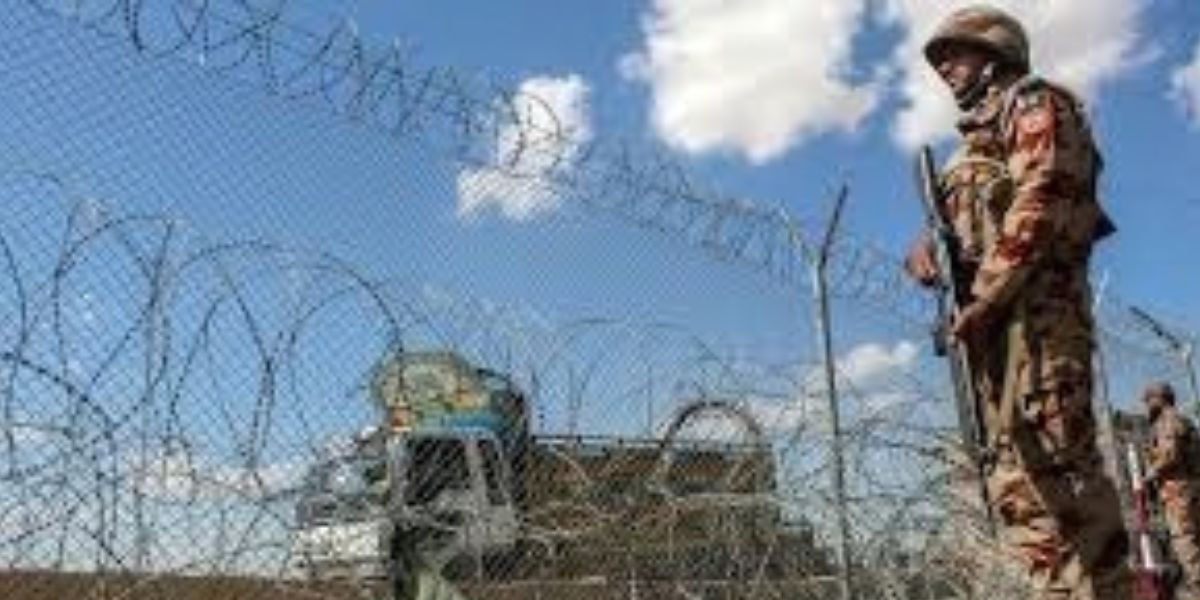
Kabul denies harbouring militants and argues that Pakistan is transferring responsibility for internal security failures across the frontier. Pakistan has an army, police, intelligence agencies and extensive fencing along a border exceeding 2,600 kilometres. Those resources carry responsibilities.
Yet border enforcement cannot absolve Afghanistan of preventing attacks organised from its territory. Equally, evidence of sanctuary does not automatically validate every Pakistani operation. Both governments have obligations; neither can discharge them merely by identifying the other’s failures.
The human cost makes this distinction unavoidable. UNAMA confirmed that October 1 airstrikes in Kunar and Helmand killed at least 10 civilians, mostly children, and injured nine people.
A Pakistani security claim cannot erase those deaths, just as Afghan sovereignty cannot erase Pakistani victims of terrorism. Every bereaved family is evidence that the existing approach is failing to provide ordinary people with the security promised in official declarations.
Washington’s public support for Pakistan’s right to defend itself during February’s escalation, coupled with its criticism of Taliban counterterrorism failures, carries strategic weight after America’s defeat in Afghanistan. This support provides Islamabad with political reassurance as it conducts cross-border operations.
Washington, meanwhile, benefits from pressure on the Taliban and militant networks without committing its own forces to another Afghan war.
Europe’s position also reflects its shared history with Washington in Afghanistan. European allies committed troops, lost soldiers and invested substantial resources in sustaining the Western-backed government, only to withdraw as it collapsed and the Taliban returned to power.
Their strategic concerns therefore overlap with those of the United States. In my assessment, the EU’s demand that the Taliban act against terrorist groups provides tacit diplomatic backing for Pakistan’s security case, even as Europe publicly calls for restraint and civilian protection.
Russia’s role completes the historical reversal. The successor state to the Soviet Union now engages authorities emerging from Afghanistan’s long resistance tradition. Having recognised the Taliban government in 2025, Moscow seeks regional stability, protection against extremist threats and stronger economic relationships. It also opposes renewed NATO military infrastructure in the region.
Neither country can relocate. Families, faith, language and commerce connect Pashtuns across the Durand Line. Landlocked Afghanistan needs reliable transit, including through Pakistan, although it has other routes. Pakistan also benefits from Afghan trade and supplies. Islamabad reports bilateral trade approaching $2 billion in 2024–25.
Border closures jeopardise livelihoods, interrupt food supplies and punish communities whose interdependence could instead support peace.
A regional reintegration fund could offer eligible fighters a transition from violence to lawful employment, farming, trade and small businesses. Contributions should finance verified disarmament, vocational training and community recovery.
Poverty is not the sole driver of militancy; money alone cannot dissolve ideology. Assistance must therefore accompany enforceable security commitments and accountability.
Such a process should include women, traders and families harmed by violence, whose interests are easily lost when only armed actors negotiate. Elders can translate obligations into language communities trust, while independent monitoring can test compliance.
Reliable border communication, investigations of civilian harm and phased restoration of trade would give negotiated peace consequences people can see in daily life.
A grand jirga could bring together respected elders from both countries, alongside affected communities, to negotiate practical commitments. Governments must turn those commitments into monitored action.