Muslim Teacher Humiliated by Hindu Groups in India for Promoting Equality in Classroom

Class Room
Islamabad:  Rising tobacco and nicotine use among Pakistan’s youth, especially around educational institutions, emerged as the central concern at a national review session on tobacco control held by the Aurat Foundation in Islamabad. Participants from Parliament, government departments, health organizations, and civil society warned that easy availability of cigarettes, vapes, nicotine pouches, and flavored tobacco near schools is creating a growing public health threat. The discussion also pointed to a noticeable increase in tobacco use among women, indicating a shifting trend. The session called for stronger legislation, faster policy action, and strict enforcement to counter the rapid spread of emerging nicotine products. Speakers emphasized that existing laws remain poorly implemented due to procedural delays, weak monitoring, and limited coordination between federal and provincial bodies. The need for clear parental awareness, community engagement, and better recognition of new nicotine products was highlighted as an essential part of early prevention. Officials noted that families and schools often remain unaware of modern products marketed to young people. Technical briefings identified major enforcement gaps and policy loopholes that allow the tobacco industry to expand its reach. Participants noted that companies are increasingly using social media trends, entertainment content, and youth-focused marketing to promote vaping in urban areas. Government representatives reaffirmed ongoing federal efforts to implement the Prohibition of Smoking and Protection of Non-Smokers Health Ordinance 2002 and to tighten regulations where required. Provincial representatives also announced plans to introduce new resolutions to strengthen tobacco control. Education sector officials raised alarms over the rise of nicotine products around private institutions and called for tougher regulatory checks. Regulatory authorities stressed the need for a broader social movement to counter tobacco use nationwide. Closing the event, the Aurat Foundation reiterated its commitment to evidence-based advocacy, cross-sector collaboration, and long-term public awareness initiatives aimed at building a healthier, tobacco-free society.

NEW DELHI: A Muslim teacher in India was forced into a humiliating public apology after asking young pupils not to display religious symbols in class — an incident that has sparked outrage and raised concerns over growing intolerance under Hindu nationalist rule.

The incident took place at Sandipani School in Khargone, a city in the central state of Madhya Pradesh.

Advertisment

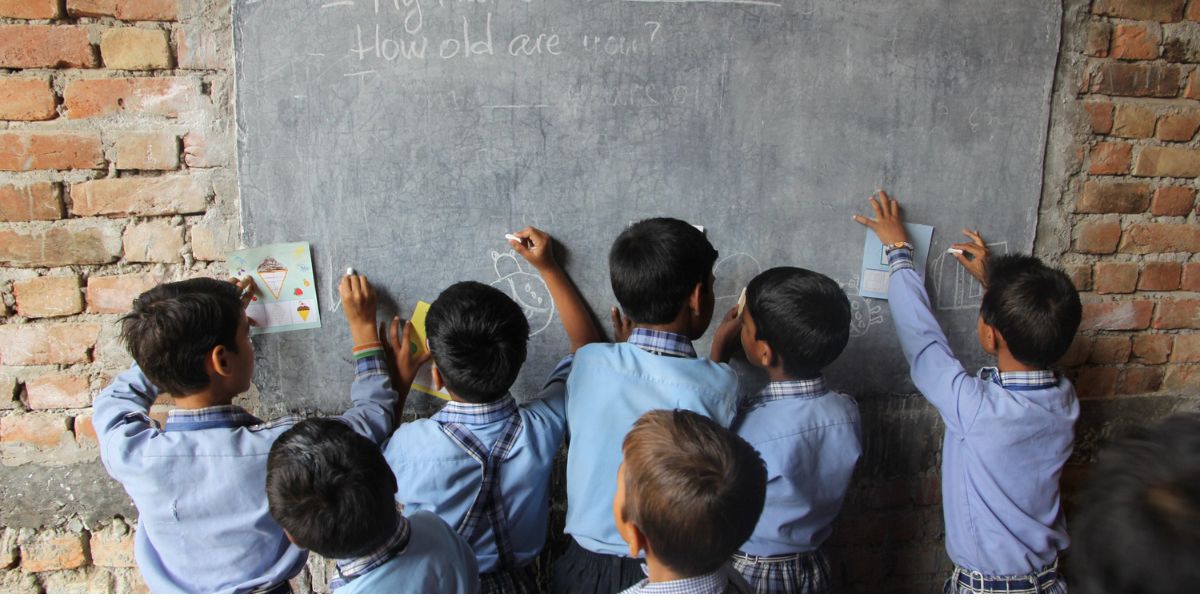
Shahrukh Pathan, a guest teacher for second-grade students, told children not to wear tilak — a Hindu religious mark on the forehead — or kalawa, the sacred red thread tied around the wrist. According to colleagues, his aim was to encourage equality among classmates and minimize religious distinctions in the classroom.

‘He was not stopping the children with any wrong intent. He only wanted them to understand equality and respect for all,’ one staff member explained. However, the move provoked anger from Hindu extremist groups. Members of the Hindutva outfit Sakal Hindu Samaj entered the school, created chaos, and demanded Pathan’s public humiliation.

A viral video shows the teacher being forced to hold his ears and perform repeated squats — a degrading punishment commonly used in Indian schools — while Hindu nationalist slogans echoed around him. Witnesses also reported that he was compelled to issue a written apology under pressure.

Civil rights advocates argue the incident highlights the hypocrisy of Hindutva groups and the ruling Bharatiya Janata Party (BJP).

In recent years, the BJP has enforced hijab bans in schools and universities, claiming such measures uphold secularism and uniformity. Yet when a Muslim teacher asked Hindu students to refrain from religious markers on similar grounds, he was vilified and humiliated.

Analysts say this selective enforcement of so-called “secularism” illustrates how India’s education system has become another arena for Hindutva ideology — restricting Muslim practices while protecting Hindu rituals as cultural traditions.

International rights organizations have repeatedly warned that such double standards erode minority rights and weaken India’s secular fabric.


Subscribe
Notify of
0 Comments
Inline Feedbacks
View all comments