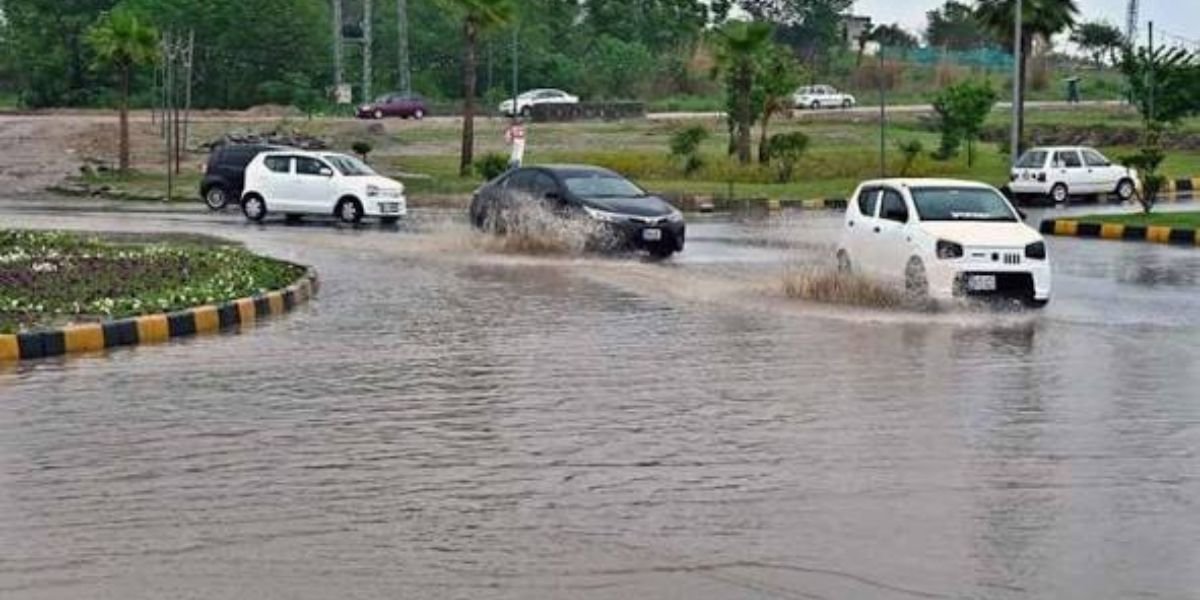
ISLAMABAD: The National Disaster Management Authority (NDMA) has advised citizens to remain vigilant as intermittent pre-monsoon rains are expected across Pakistan from June 28 to July 3. The authority warned that the rainfall could accelerate glacier melting and increase the risk of flash floods and landslides in northern regions, urging the public to avoid unnecessary travel to vulnerable areas, stay updated through official weather advisories, and take all necessary safety precautions, App reported.
As per the NDMA officials, a dangerous combination of intense heat and expected pre-monsoon rainfall is likely to accelerate glacier melting, triggering a sharp rise in water levels in rivers and streams across Gilgit-Baltistan, Khyber Pakhtunkhwa, and Azad Jammu and Kashmir.
The authority warned that vulnerable mountainous regions face heightened risks of glacial lake outburst floods (GLOFs), flash floods, and landslides during the forecast period due to rapidly changing and unstable weather conditions.
Residents, tourists and travellers have been strongly advised to exercise extreme caution in high-risk districts including Hunza, Nagar, Ghizer, Skardu, Shigar, Ghanche, Kharmang, Astore, Diamer, Upper and Lower Chitral and Swat, where sudden weather shifts could create life-threatening situations.
NDMA further urged the public to strictly avoid unnecessary movement near rivers, streams, glacial lakes and riverbanks, stressing the importance of immediate reporting of any unusual or hazardous conditions to local authorities to prevent loss of life and property.
Provincial Disaster Management Authorities (PDMAs) have been placed on high alert with strict instructions to ensure full emergency preparedness, rapid response capability and coordinated action in case of any disaster triggered by the expected weather system.
Overall, NDMA has stressed that timely precautions, strict adherence to safety advisories, and coordinated preparedness at all levels are essential to minimize risks, protect lives and reduce potential damage from the expected weather-related hazards.
Also read:Heatwave watch: smart tech helps keep Rome’s elderly safe