Oil Falls For 4th Day As Russia-Ukraine Peace May Raise Supply

Oil - The News Today - TNT
Islamabad:  Rising tobacco and nicotine use among Pakistan’s youth, especially around educational institutions, emerged as the central concern at a national review session on tobacco control held by the Aurat Foundation in Islamabad. Participants from Parliament, government departments, health organizations, and civil society warned that easy availability of cigarettes, vapes, nicotine pouches, and flavored tobacco near schools is creating a growing public health threat. The discussion also pointed to a noticeable increase in tobacco use among women, indicating a shifting trend. The session called for stronger legislation, faster policy action, and strict enforcement to counter the rapid spread of emerging nicotine products. Speakers emphasized that existing laws remain poorly implemented due to procedural delays, weak monitoring, and limited coordination between federal and provincial bodies. The need for clear parental awareness, community engagement, and better recognition of new nicotine products was highlighted as an essential part of early prevention. Officials noted that families and schools often remain unaware of modern products marketed to young people. Technical briefings identified major enforcement gaps and policy loopholes that allow the tobacco industry to expand its reach. Participants noted that companies are increasingly using social media trends, entertainment content, and youth-focused marketing to promote vaping in urban areas. Government representatives reaffirmed ongoing federal efforts to implement the Prohibition of Smoking and Protection of Non-Smokers Health Ordinance 2002 and to tighten regulations where required. Provincial representatives also announced plans to introduce new resolutions to strengthen tobacco control. Education sector officials raised alarms over the rise of nicotine products around private institutions and called for tougher regulatory checks. Regulatory authorities stressed the need for a broader social movement to counter tobacco use nationwide. Closing the event, the Aurat Foundation reiterated its commitment to evidence-based advocacy, cross-sector collaboration, and long-term public awareness initiatives aimed at building a healthier, tobacco-free society.

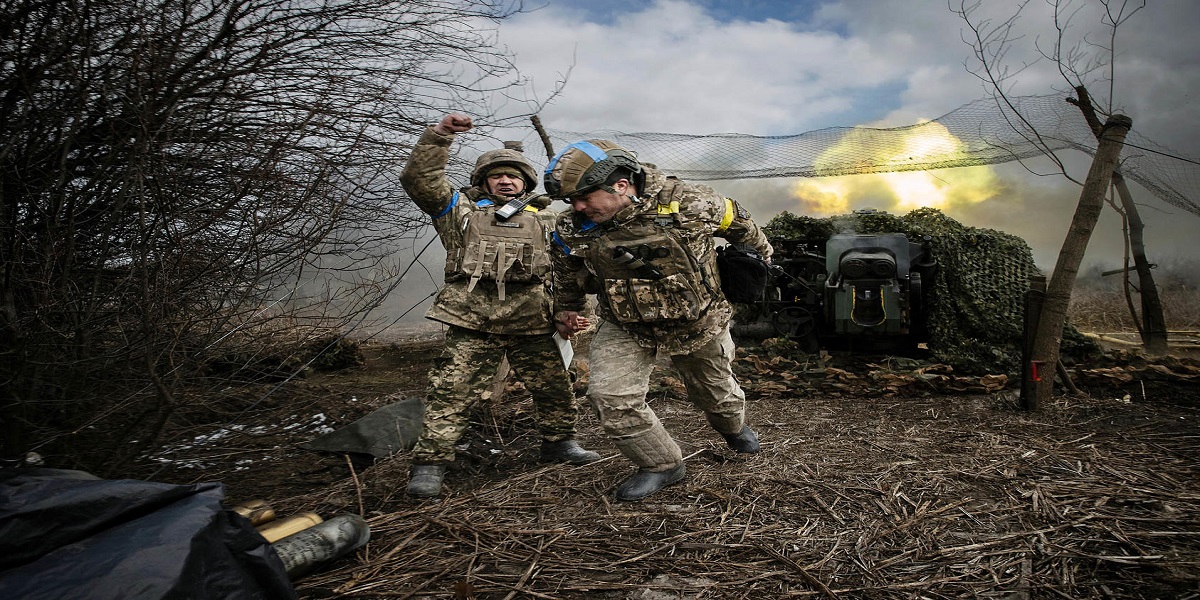
TEXAS: Oil prices fell for a fourth day on Monday as the expectations regarding Russia-Ukraine peace deal could ease sanctions disrupting supply flows and on concerns that global tariff wars could slow economic growth and weaken energy demand.

.Brent crude futures slid 20 cents, or 0.2%, to $74.59 a barrel by 0112 GMT. Brent has slumped 3.1% in the past four sessions after US President Donald Trump and his administration officials announced they had begun discussions with Russia to end the war in Ukraine.

Advertisment

US West Texas Intermediate crude was at 0$70.51 a barrel, down 23 cents, or 0.3%. WTI is down 3.8% over the past four sessions, and earlier on Monday dropped to as low as $70.12, its lowest since December 30.

US President Donald Trump said on Sunday he believes he could meet “very soon” with Russian President Vladimir Putin to discuss ending the war in Ukraine.

His comments come as the United States and Russia are preparing for initial talks in Saudi Arabia in the coming days.

US Secretary of State Marco Rubio also said on Sunday Ukraine and Europe would be part of any “real negotiations” to end Moscow’s war, signalling that U.S. talks with Russia this week were a chance to see how serious Putin is about peace.

“Markets are down on the prospect of a Russia-Ukraine ceasefire and potential sanction relief on Moscow,” said Hiroyuki Kikukawa, president of NS Trading, a unit of Nissan Securities.

“Concerns over an economic slowdown from tariff wars, driven by Trump’s actions, are also weighing on prices,” he said, predicting WTI to trade between $66-$76 for a while as further declines in oil prices could curb U.S. oil production.

Sanctions by the US and European Union on Russian oil exports have curbed its shipments and disrupted seaborne oil supply flows. Lifting the sanctions in the event of a peace deal should boost global energy supplies.

The risk of a global trade war is also pressuring prices after Trump last week ordered commerce and economic officials to study reciprocal tariffs against countries that place tariffs on US goods and to return their recommendations by April 1.

Read more: Taliban Providing Logistic, Operational, Financial Support To TTP: UN Report

Subscribe
Notify of
0 Comments
Inline Feedbacks
View all comments