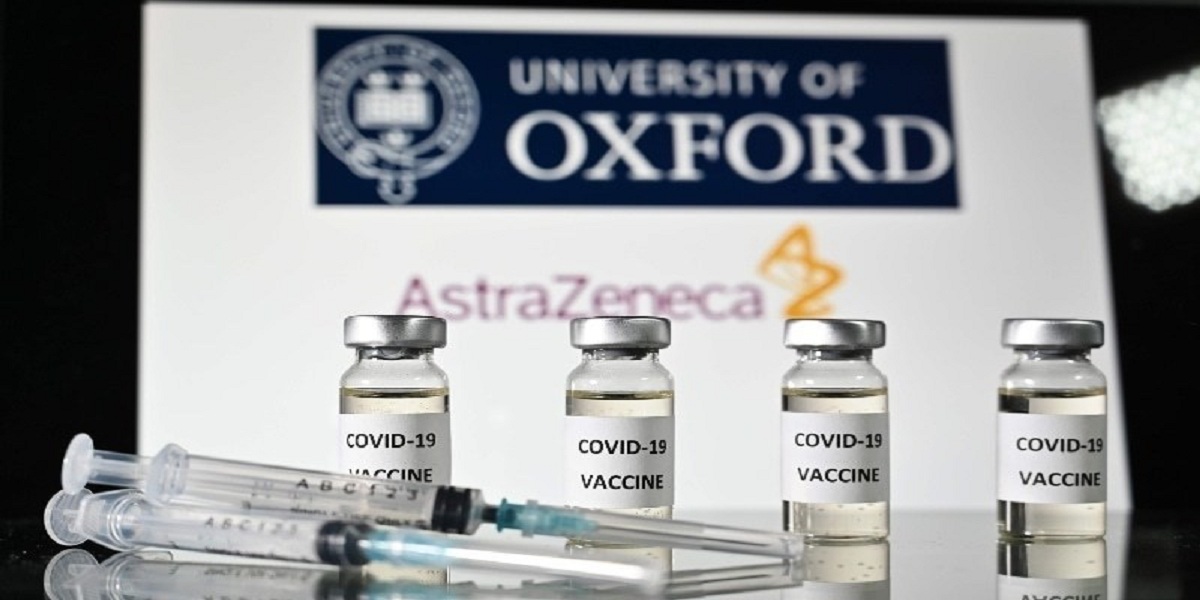
KARACHI: Pakistan likely to bear $6 to $7 per dose of millions of shots if it opts to pick the Oxford-AstraZeneca’s COVID-19 vaccine, which has been approved by the Drug Regulatory Authority of Pakistan (DRAP).
The sole authorised local distributor of the vaccine is at the moment unable to give a proper timeline for the supply.
After Federal Government nodded the import of consignments of Oxford-AstraZeneca’s COVID-19 vaccine, the importers have estimated that it would be available to the government for something between US$6 and US$7, said Usman Ghani of the Sindh Medical Stores.
He was of the view that the offer has formally and clearly been made to both federal and provincial governments, but it is a difficult question to answer when it would be made available. “Frankly speaking, we don’t have exact idea about this right now.”
Sindh Medical Stores is one of the biggest importers of vaccines and other pharmaceutical products in Pakistan.
AstraZeneca’s COVID-19 vaccine for emergency use in Pakistan, the Sindh Medical Stores representative said, adding that the registration had been done by DRAP but his company could not get documentary approval from the authority (DRAP) till date and even vaccine price could not be fixed. “However, we are not in a hurry as we could not get any guarantee from the supply line”, he added.
“As AstraZeneca vaccine is being prepared in India so India will get the vaccine first and then or meanwhile it will be given to Covax. Moreover, countries such as Nepal, Bhutan and Bangladesh have already paid in advance to get the vaccine,” he said.
Just this week DRAP approved another coronavirus vaccine, manufactured by Chinese state-owned firm, Sinopharm, as the government reaffirmed its resolve to procure at least one million doses of coronavirus vaccines by March. It ultimately aims to inoculate 70pc population against the virus though the people at the helm of this trade are still unsure about this, , DAWN reported.
About the possible availability of the AstraZeneca’s vaccine in Pakistan, the Sindh Medical Stores official said he did not know when they would be able to get the vaccine for Pakistani people, as, he said, AstraZeneca was busy supplying consignments to the countries which had already placed their orders and made advance payments. “We have very cordial relations with Serum Institute of India and we would try our best to procure it as early as possible,” he added.
He said in their offers to the governments in centre and the provinces, the company had stated that they would be able to provide the British company’s vaccine tentatively in US $6-7 per dose if it was purchased in bulk.
Read more: Yasmin Rashid rejects rumours about ministers getting COVID vaccines