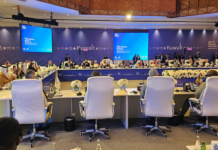
ISLAMABAD: Pakistan will host its first-ever Digital Foreign Direct Investment (DFDI) Forum in Islamabad on April 29-30, a historic initiative jointly organized by the Government of Pakistan and the Digital Cooperation Organization (DCO).
The event, which has been described as a turning point for Pakistan’s digital future, is being supported by the Special Investment Facilitation Council (SIFC). The Forum aims to attract international investment, promote digital innovation, and bolster the country’s ambitions of achieving $60 billion in digital economic output by 2030.
The announcement was warmly welcomed by DCO Secretary General Deemah AlYahya, who expressed optimism about Pakistan’s growing potential in the global digital space. “Pakistan’s digital ecosystem, powered by its youthful population and strategic geographic location, is a promising destination for foreign digital investors,” she said in a statement.
According to the organizers, the two-day forum is expected to draw participation from over 500 global investors, industry leaders, and technology experts. Their involvement is seen as a major endorsement of Pakistan’s digital potential and is expected to catalyse new investments in sectors such as Fintech, Artificial Intelligence (AI), and Agritech.
More than 75 startups from across Pakistan will also showcase their ventures at the event, seeking partnerships, funding, and global exposure. The presence of such a wide range of innovation-driven enterprises underscores the country’s commitment to supporting entrepreneurship and technological advancement.
Officials said the forum will highlight Pakistan’s strengths, including a youthful population, increasing internet penetration, and rapid digital adoption, positioning the country as an emerging hub for digital transformation and innovation.
“This Forum is not just about investment—it’s about building long-term partnerships, transferring knowledge, and opening new pathways for sustainable development through technology,” said a senior official associated with the SIFC.
Observers note that Pakistan’s collaboration with the DCO, a multilateral organization focused on advancing digital prosperity, is a strategic move aimed at leveraging global expertise and expanding access to new markets.
The Forum comes at a time when the government is doubling down on digital policy reforms, fintech regulations, and startup facilitation measures to ensure an enabling environment for international investors.
With an eye on long-term stability and inclusive growth, policymakers believe that digital FDI can pave the way for a more resilient and knowledge-based economy, unlocking opportunities for job creation, innovation, and export expansion.
Read more: Justice Mansoor Takes Oath As Acting CJP; Justice Muneeb Office To Justice Mansoor