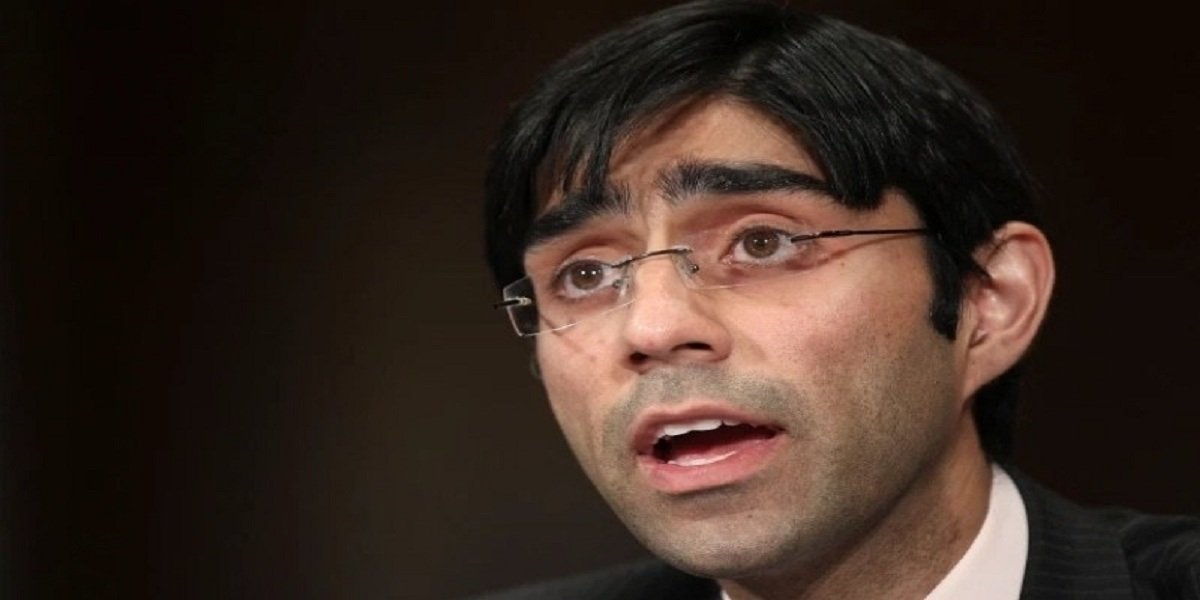
WASHINGTON: It is imperative to make arrangements to keep displaced Afghans inside their country instead of pushing them into Pakistan, said Dr Moeed Yusuf, National Security Adviser and Special Assistant to Prime Minister on Foreign Affairs.
Addressing media at Pakistan embassy here on Saturday, the National Security Advisor said Pakistan was focused on ensuring that tensions in Afghanistan do not lead to more
bloodshed. “But if a situation arises, it is the responsibility of the international community to create a secure area inside Afghanistan,” Moeed Yusif said.
“Why make Afghans ‘dar-ba-dar’ (homeless)? Is it not better to make arrangement for them inside their country. Pakistan does not have the capacity to take more refugees”, Moeed Yusuf said, and described the PTI government’s US policy as “pragmatic and unapologetic, but not boastful”. He urged people not to look for “big pictures and all-embracing headlines”.
The NSA arrived in Washington on July 27 along with Director General of Inter-Services Intelligence Faiz Hameed for talks with their American counterparts on Afghanistan and bilateral relations.
The ISI chief left Washington on Friday, a day after talks with US National Security Adviser Jake Sullivan at the White House, which was also attended by other security officials from both sides.
“We needed direct technical input. This was not a high-level political visit and focused on technical issues, nuts and bolts,” said Moeed Yusuf while explaining why an intelligence chief had to participate in the talks.
The process of rebuilding US-Pakistan ties began on May 27 with a meeting between the two NSAs in Geneva. “These are structure-built, high-level talks, using multiple channels,” said the Advisor. The talks, he said, would continue towards rebuilding ties but “you may not get the same feeling as you did in the past of big meetings, big pictures and headlines. These talks are now result-oriented. The focus is on substance, not optics”.
Moeed Yusif disagreed with the suggestion that Pakistan had the influence to force the Afghan Taliban to do what they did not want. “We have modest, minimal leverage, but if had the influence some say we do, we would have stopped them from destroying the Bamiyan Buddha in the 1990s,” he said, adding, “We could have at least persuaded them to force out the TTP.”
Responding to a question about the perceived US pressure on Pakistan, Moeed Yusuf said: “Minor irritants are unnecessary. If criticism is justified, yes, but Pakistan having child soldiers? Is it logical?”
He pointed out that the Indian foreign minister too accepted influencing the Financial Action Task Force (FATF). “We do raise and discuss these issues. It is an ongoing process.”
Moeed Yusuf said that in their first meeting the two NSAs had agreed that Pakistan and the US should continue their holistic bilateral engagement.
“Afghanistan of course is the most important and immediate issue, but these talks are focused on how to move forward on multiple issues,” he said, adding, “This week’s meeting is a follow-up to take stock of the process.”
Moeed Yusuf acknowledged that there “has been ups and downs in US-Pakistan relations but we need to work ahead. And we got a very positive response in terms of moving
forward.”
He urged the media not to expect an over-night, revolutionary change in US-Pakistan relations because of these meetings but to remember that “we are focused on substance and have an agreement on how to move forward.”
Read more: Pak welcomes letter of 16 MEPs on HR, humanitarian situation in…