ISLAMABAD: Pakistanis bid farewell to most inflationary year since 2012. the fiscal year 2020 that ended on June 30 is the most inflationary year since 2012.
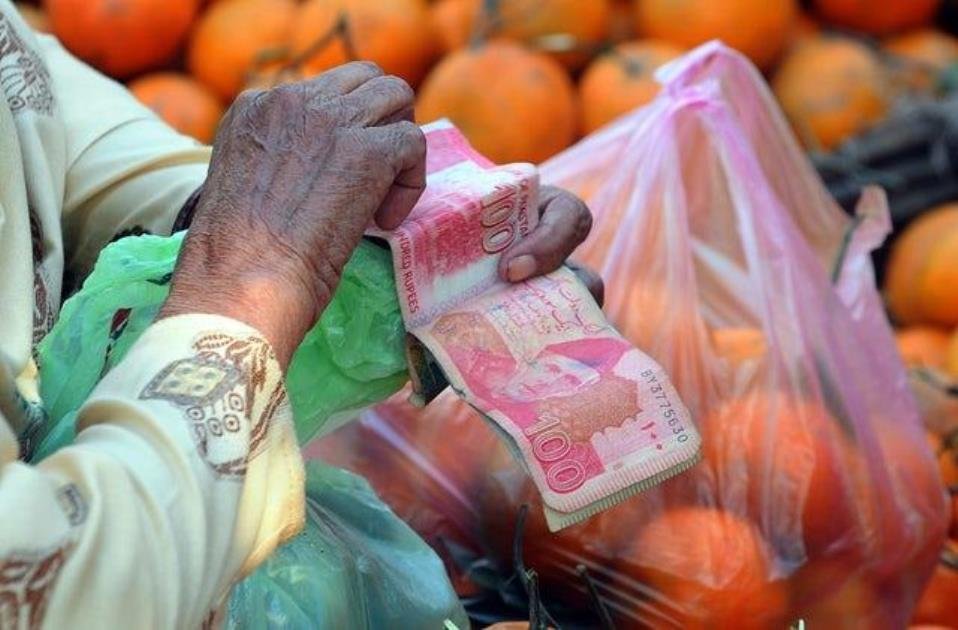
The data released by Pakistan Bureau of Statistics revealed that the average inflation rate (overall increase in prices of essential goods and services) for the outgoing fiscal year was 10.74%, the highest annual inflation rate in the last eight years. This means Rs10,000 you put in your savings account last year are now worth Rs9000 as your wallets have squeezed more than 10% since July 1, 2019.
The PBS calculates inflation rate by measuring the prices of a ‘basket’ of 480 common goods and services such as the cost of education, house rent, utility bills and food and beverages.
The inflation in the outgoing year can be attributed to multiple factors of the current government policies.
Last year, the government presented an inflationary budget geared towards meeting the prerequisites for an IMF bailout programme signed in July, 2019. Under the programme, the government raised electricity and gas tariffs, devalued its currency more than 25%, raised duties in imports, and doubled petrol tax in six months.
On the other hand, untimely permission for exports of sugar and mismanagement in wheat procurement led to a full-blown wheat and sugar crisis, pushing inflation rate above 14.6% in January, the highest level in a decade.
The central bank raised interest rates to a multi-decade high and locked it there for several months, making borrowing expensive for business.
Expensive fuel raised transportation costs, making it costly for the businesses to deliver their products or get raw material for the production process. As the cost of production went up, businesses passed the increase to the consumers.
On the other hand, the central bank applied brakes to economic growth by raising interest rates pushing economic growth projections below 2% — but the worse had yet to come.
As coronavirus cases rose, the country went into a lockdown, shutting shops, offices and factories for three months, which was enough to send the economy into its first recession in 68 years.
Read more: Why was PIA made to crash, asks Sherry Rehman