
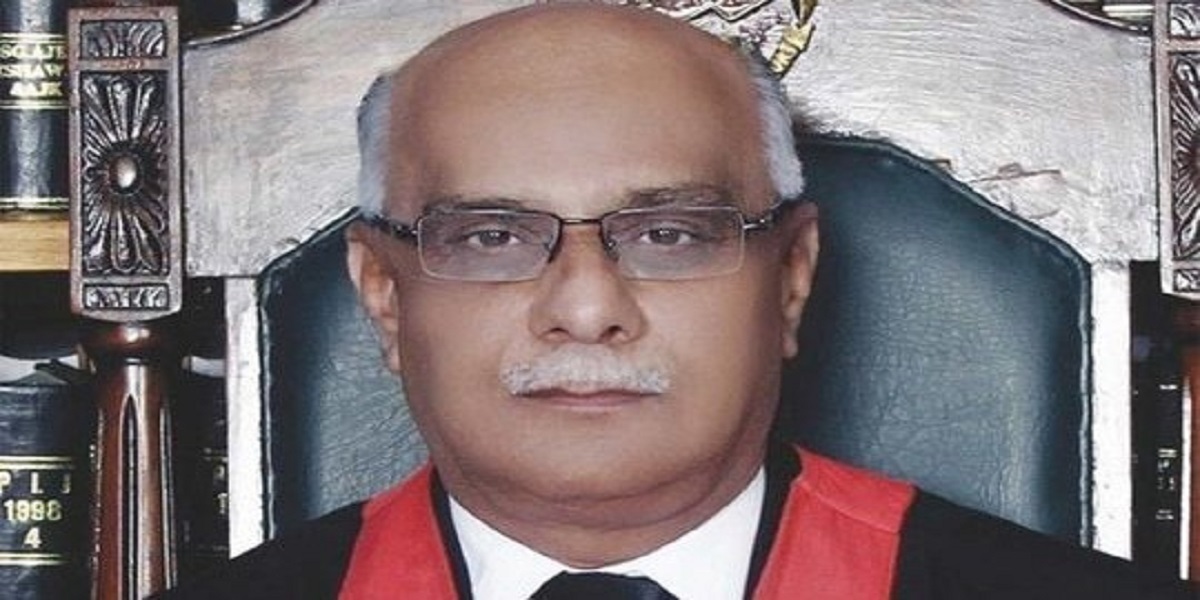
PHC Chief Justice Waqar Ahmed Seth succumbs to coronavirus

Justice Waqar Seth - The News Today - TNT
Islamabad:  Rising tobacco and nicotine use among Pakistan’s youth, especially around educational institutions, emerged as the central concern at a national review session on tobacco control held by the Aurat Foundation in Islamabad. Participants from Parliament, government departments, health organizations, and civil society warned that easy availability of cigarettes, vapes, nicotine pouches, and flavored tobacco near schools is creating a growing public health threat. The discussion also pointed to a noticeable increase in tobacco use among women, indicating a shifting trend. The session called for stronger legislation, faster policy action, and strict enforcement to counter the rapid spread of emerging nicotine products. Speakers emphasized that existing laws remain poorly implemented due to procedural delays, weak monitoring, and limited coordination between federal and provincial bodies. The need for clear parental awareness, community engagement, and better recognition of new nicotine products was highlighted as an essential part of early prevention. Officials noted that families and schools often remain unaware of modern products marketed to young people. Technical briefings identified major enforcement gaps and policy loopholes that allow the tobacco industry to expand its reach. Participants noted that companies are increasingly using social media trends, entertainment content, and youth-focused marketing to promote vaping in urban areas. Government representatives reaffirmed ongoing federal efforts to implement the Prohibition of Smoking and Protection of Non-Smokers Health Ordinance 2002 and to tighten regulations where required. Provincial representatives also announced plans to introduce new resolutions to strengthen tobacco control. Education sector officials raised alarms over the rise of nicotine products around private institutions and called for tougher regulatory checks. Regulatory authorities stressed the need for a broader social movement to counter tobacco use nationwide. Closing the event, the Aurat Foundation reiterated its commitment to evidence-based advocacy, cross-sector collaboration, and long-term public awareness initiatives aimed at building a healthier, tobacco-free society.
PESHAWAR: Peshawar High Court (PHC) Chief Justice Waqar Ahmed Seth has passed away aged 59, a spokesperson for the court confirmed late Thursday.
Justice Waqar Ahmed Seth was battling coronavirus and succumbed to the deadly illness earlier today, the spokesperson said.
The PHC’s top judge was undergoing treatment at Islamabad’s Kulsum International Hospital.
The Pakistan Bar Council (PBC) and the Supreme Court of Pakistan have announced a day of mourning on Friday — November 13 — in response to the tragic passing of Justice Seth.
In a joint statement, the president of the Supreme Court Bar Association of Pakistan (SCBA), as well as the chairperson and the vice chair of the PBC’s Executive Committee, announced that lawyers would not appear in the courts across the country except for urgent matters.
“The nation has lost a bold and fearless judge,” the statement read, terming Justice Seth’s death “a national loss”.
“Justice Waqar Ahmed Seth was an honest, impartial, and brave judge,” it added.
Justice Seth was elevated to the PHC as Additional Judge on August 2, 2011, and took oath as Chief Justice of the Peshawar High Court on June 28, 2018.
He is most famous for being on the bench that handed the death penalty to former president Pervez Musharraf in a high treason case.
Justice Seth’s controversial observation in the detailed judgment of the high treason case — sentencing former military dictator Pervez Musharraf to death — had the government opt to take legal action against the judge.
Law Minister Farogh Naseem had slammed the observation, declaring him “unfit” for the role of a senior judge.
A March 30 report had stated that the PHC’s top judge had requested the Judicial Commission of Pakistan (JCP) to recommend his elevation to the Supreme Court on the basis of his seniority and merit.
In a letter addressed to the Chief Justice of Pakistan Justice Gulzar Ahmed, who is also the JCP chair, the judge had said he had a legitimate expectancy to be appointed as the apex court’s judge and should be recommended for the appointment.

Subscribe
Notify of
0 Comments
Inline Feedbacks
View all comments