
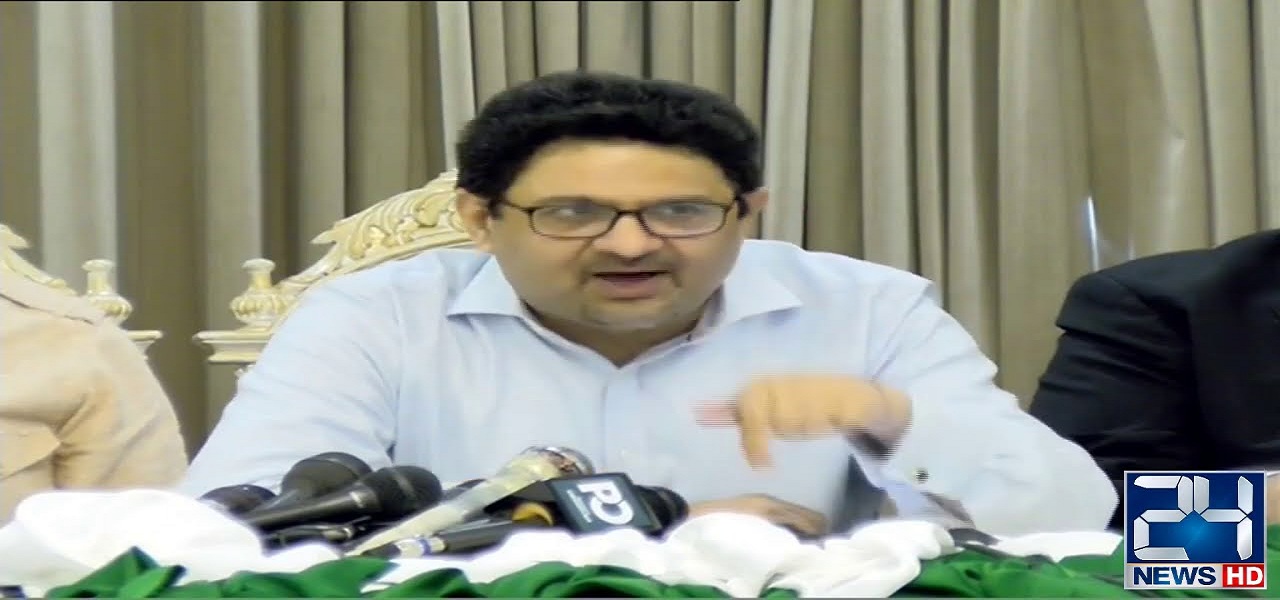
KARACHI: While rejecting the latest increase in the power tariff, the Pakistan Muslim League-Nawaz (PML-N) warned that next month’s electricity bill would badly impact the monthly budget of every Pakistani family.
It called the government decision to increase power tariff by Rs1.95 a “brutal move” and said the Pakistan Tehreek-i-Insaf administration had increased the rates due to a rise in the country’s revolving debt.
“The PML-N left the revolving debt at Rs1,036 billion — this included electricity deficit and bank loans,” PML-N leader and former federal finance minister Miftah Ismail told a press conference at the Muslim League House here.
“During this government, this figure has exceeded Rs2,400 billion and it grows by Rs50 billion to Rs 60 billion per month due to expensive power generation. This government has raised electricity prices soon after assuming office in an attempt to stop revolving debt from increasing.
Annually, the revolving debt is increasing by Rs600bn, which is mostly due to losses incurred in transmission and distribution of electricity,” he said.
When the PML-N came to power, he said, the electricity wastage was recorded at 21 per cent and it was reduced to 18 per cent. Now the current government had again raised it to 19per cent. Electricity wastage was costing the exchequer on average Rs15 billion, he added.
The National Electric Power Regulatory Authority (NEPRA) had last week approved an across-the-board Rs1.95 per unit (15 per cent) increase in tariff under uniform tariff regime though it questioned the justifications on technical and legal basis. For the first time in almost two decades, the rate for lifeline consumers — using up to 50 units per month — has therefore also increased, to Rs3.95 per unit from the existing rate of Rs2 per unit, as the application of Rs1.95 per unit is for all consumers.
The tariff increase was immediately notified by the Power Division, which said the tariff increase was also applicable to K-Electric to maintain uniform rates across the country.
The decision is based on the federal cabinet’s directives of Jan 15 that had approved a tariff increase of Rs1.95 per unit along with targeted tariff differential subsidy of Rs185 billion.
Miftah Ismail said that the average collection of electricity bills stood at 93 per cent during the PML-N government but it dropped to 80 per cent during the PTI’s tenure as the country was hit by the coronavirus pandemic last year.
“The electricity bills’ collection stands at 88 per cent. The PTI government is not complying with the Nepra merit order and a 5 per cent recovery rate is also causing losses” he added. “It’s absolutely a strange decision to generate power from expensive power plants instead of opting for cheaper options. The PTI government is generating electricity from expensive sources: furnace oil and diesel.”
Read more: Justice Qazi Faez asks how world knows of CJP’s verdict before…