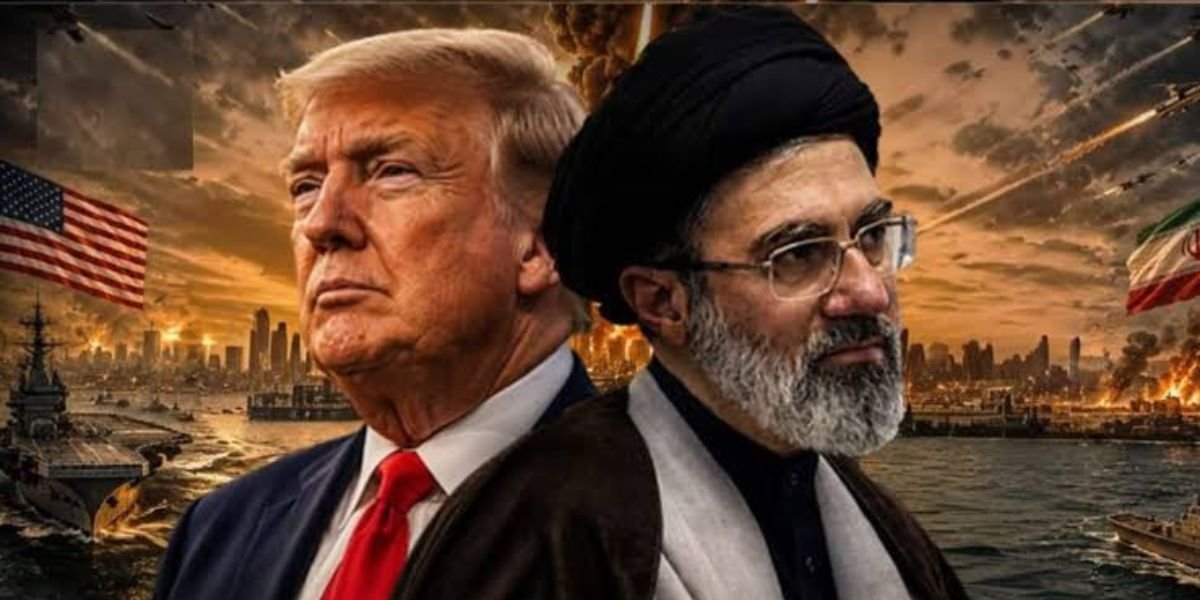
The latest U.S.-Iran confrontation raises an important question: how effective can U.S. sanctions really be against Iran, and where is this war ultimately heading?
Washington has relied on sanctions against Iran for years, targeting its oil revenues, financial system and access to international markets.
The pressure has undoubtedly damaged Iran’s economy, but economic hardship does not necessarily translate into political concessions.
Iran Has Learned to Live Under Sanctions:
Iran has shown that it can adapt. It has developed alternative trading networks and continues to maintain important economic and political relationships with countries such as China and Russia.
These relationships give Tehran some room to withstand American pressure.
This is where the limits of sanctions become apparent. Sanctions can reduce Iran’s revenues, restrict its access to technology and make it more expensive for Tehran to sustain its military capabilities. But if the objective is to force Iran to change its fundamental security and foreign-policy positions, sanctions alone may not be enough.
Russia and China Change the Equation
The growing relationship between Russia and Iran makes the situation even more complicated. Putin’s continued support for Tehran suggests that Iran is not completely isolated. China also remains an important economic partner for Iran.
As a result, Washington is facing a country under heavy economic pressure but still capable of finding ways to keep its economy and military functioning.
What Happens Next?
One possibility is a negotiated ceasefire. After months of fighting and economic disruption, both Washington and Tehran have strong incentives to find a way back to negotiations.
A settlement could eventually involve sanctions relief in exchange for restrictions on Iran’s military and nuclear capabilities, as well as arrangements concerning the Strait of Hormuz.
A Prolonged Stalemate Is Also Possible:
Another possibility is a prolonged stalemate. This could become the most difficult scenario for both sides.
The United States could continue sanctions and targeted military operations, while Iran could rely on missiles, drones, maritime pressure and asymmetric tactics to impose costs on American forces and its regional partners.
The Risk of a Wider Regional War
The most dangerous possibility is a wider regional war.
Continued attacks on U.S. forces, commercial shipping or critical infrastructure could trigger increasingly powerful American responses. Iran could then retaliate against U.S. bases and regional allies, potentially drawing more countries into the conflict.
The Real Test of Sanctions:
The central question is not whether sanctions can hurt Iran. They clearly can.
The real question is whether economic pressure can produce the political outcome Washington wants.
If Iran can continue trading with countries such as China and Russia, maintain control of its government and retain enough military capability to impose costs on the United States, sanctions may ultimately become more of a containment strategy than a way to end the conflict.
Diplomacy May Ultimately Decide the War
The future of the U.S.-Iran war may depend on when both sides reach the same conclusion: that continuing the war is more costly than making a deal.
At some point, military power and economic pressure have to translate into diplomacy. Otherwise, the conflict risks becoming another prolonged confrontation in which neither side wins decisively, while the costs continue to rise.