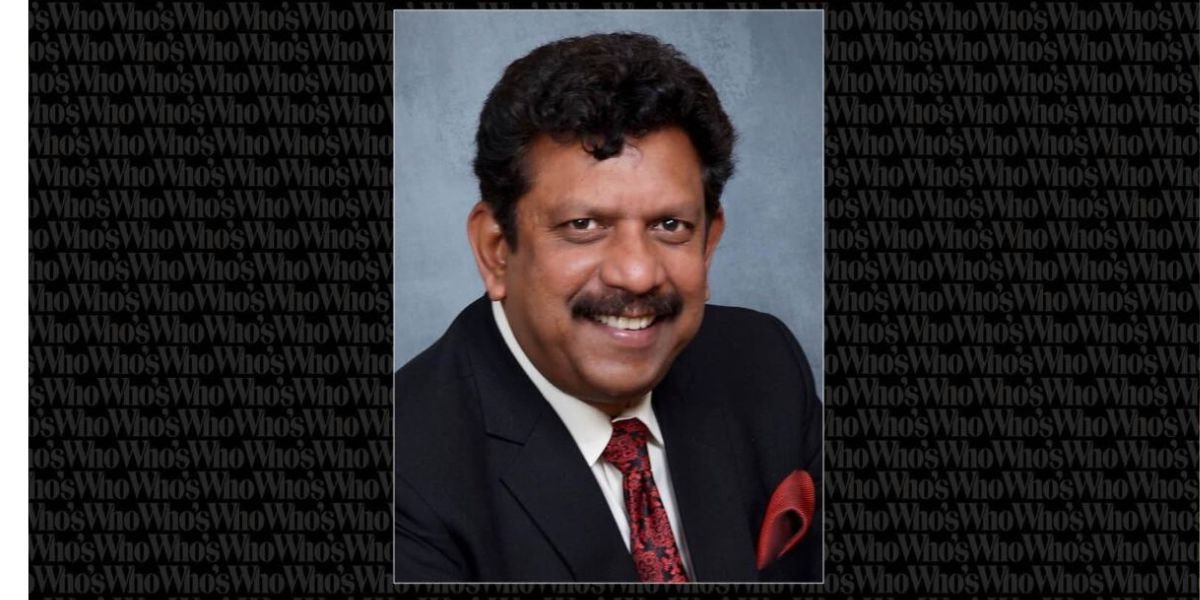
HYDERABAD: Chairman of the Interfaith League Against Poverty (I-LAP) and International Religious Freedom–Peace Builders Forum Pakistan (IRF-PBF Pakistan), Sajid Sandhu, has expressed serious concern over a recruitment advertisement reportedly issued by the Hyderabad Water & Sewerage Corporation, Government of Sindh, for 50 temporary contract sanitary worker positions, in which eligibility is specifically restricted to non-Muslims.
In his statement, Mr Sandhu said the condition raised serious questions about equality, human dignity, religious discrimination and the constitutional rights of Pakistani citizens.
He said sanitation work was an honourable and essential public service, but associating the occupation specifically with non-Muslim citizens risked reinforcing a longstanding and harmful stereotype that members of religious minorities were primarily suited to sanitation and other low-status jobs.
“Every form of honest work deserves dignity and respect, and sanitary workers perform an essential public service. The concern is not the nature of the work; the concern is making a citizen’s religious identity a condition for that work,” he added.
Calls for review of recruitment policy
Mr Sandhu noted that Article 27 of the Constitution of Pakistan provided safeguards against discrimination in appointments to the service of Pakistan on grounds including religion, while also allowing constitutional measures aimed at addressing underrepresentation in public services.
He said any recruitment policy that explicitly differentiated applicants on the basis of religion should therefore be carefully examined to ensure consistency with the Constitution’s guarantees of equality and non-discrimination.
He stressed that measures intended to create employment opportunities for disadvantaged communities should promote their advancement across professions rather than associate them with particular occupations.
“If the objective is to improve representation of religious minorities in public employment, then minorities should be encouraged and provided opportunities to compete for positions throughout government departments — from administration and education to healthcare, engineering, management, law enforcement and senior public service. Representation should open doors, not create occupational labels,” he said.
Warns against reinforcing occupational stereotypes
Mr Sandhu further warned that repeatedly identifying sanitation jobs with non-Muslim communities could contribute to social prejudice and reinforce perceptions among future generations that certain professions were associated with particular religious identities.
He said such practices could undermine efforts to promote equal citizenship, social inclusion, interfaith harmony and peaceful coexistence in Pakistan.
Highlights minorities’ contribution to Pakistan
The chairman also highlighted the longstanding contributions of Pakistan’s religious minorities, particularly the Christian community, to national development.
He said Christian institutions and professionals had played an important role in the country’s education and healthcare sectors, while Christian citizens had served as teachers, professors, doctors, nurses, administrators, lawyers, social workers, entrepreneurs, members of the armed forces and public servants.
“Pakistan’s history itself demonstrates that religious identity does not determine a person’s profession, ability or contribution to society. Christian educational and medical institutions have served generations of Pakistanis regardless of their faith. Minority citizens have contributed to the defence, development, education, healthcare and social welfare of our country. This history should inspire policies that expand opportunity rather than reinforce stereotypes,” he said.
Seeks clarification from Sindh government
Mr Sandhu called upon the Government of Sindh and the Hyderabad Water & Sewerage Corporation to review the advertised eligibility condition, clarify the legal and policy basis for restricting the positions to non-Muslims, and ensure that recruitment practices were consistent with Pakistan’s constitutional commitments to equality and non-discrimination.
He also urged federal and provincial authorities to review recruitment terminology and practices more broadly to ensure that affirmative measures intended to increase minority representation did not unintentionally perpetuate discriminatory occupational classifications.
“This should not become an issue of confrontation between religious communities. Rather, it should be an opportunity for government, civil society, faith communities and policymakers to work together to strengthen constitutional protections and ensure dignity for every citizen,” he said.
Through I-LAP and IRF-PBF Pakistan, Mr Sandhu reaffirmed his commitment to constructive dialogue with government institutions, parliamentarians, faith leaders, civil society, legal experts and other stakeholders to advance freedom of religion or belief, equal citizenship, human dignity and effective implementation of constitutional protections.
“Religious minorities are not asking for privilege; they are asking for equal opportunity, dignity and the freedom to compete according to their qualifications, abilities and aspirations. Sanitary workers deserve full respect and dignity, but no profession should be assigned — directly or indirectly — to citizens because of their religion,” he said.
He further highlighted that Pakistan belongs equally to all its citizens. Our institutions become stronger when every Pakistani — Muslim, Christian, Hindu, Sikh or belonging to any other faith — is able to participate in national life with equal dignity, equal opportunity and equal citizenship.
Also read:UN rights chief says uncovered remains in Gaza raise concerns of war crimes