
Islamabad: Rising tobacco and nicotine use among Pakistan’s youth, especially around educational institutions, emerged as the central concern at a national review session on tobacco control held by the Aurat Foundation in Islamabad.
Participants from Parliament, government departments, health organizations, and civil society warned that easy availability of cigarettes, vapes, nicotine pouches, and flavored tobacco near schools is creating a growing public health threat. The discussion also pointed to a noticeable increase in tobacco use among women, indicating a shifting trend.
The session called for stronger legislation, faster policy action, and strict enforcement to counter the rapid spread of emerging nicotine products. Speakers emphasized that existing laws remain poorly implemented due to procedural delays, weak monitoring, and limited coordination between federal and provincial bodies.
The need for clear parental awareness, community engagement, and better recognition of new nicotine products was highlighted as an essential part of early prevention. Officials noted that families and schools often remain unaware of modern products marketed to young people.
Technical briefings identified major enforcement gaps and policy loopholes that allow the tobacco industry to expand its reach. Participants noted that companies are increasingly using social media trends, entertainment content, and youth-focused marketing to promote vaping in urban areas.
Government representatives reaffirmed ongoing federal efforts to implement the Prohibition of Smoking and Protection of Non-Smokers Health Ordinance 2002 and to tighten regulations where required. Provincial representatives also announced plans to introduce new resolutions to strengthen tobacco control.
Education sector officials raised alarms over the rise of nicotine products around private institutions and called for tougher regulatory checks. Regulatory authorities stressed the need for a broader social movement to counter tobacco use nationwide.
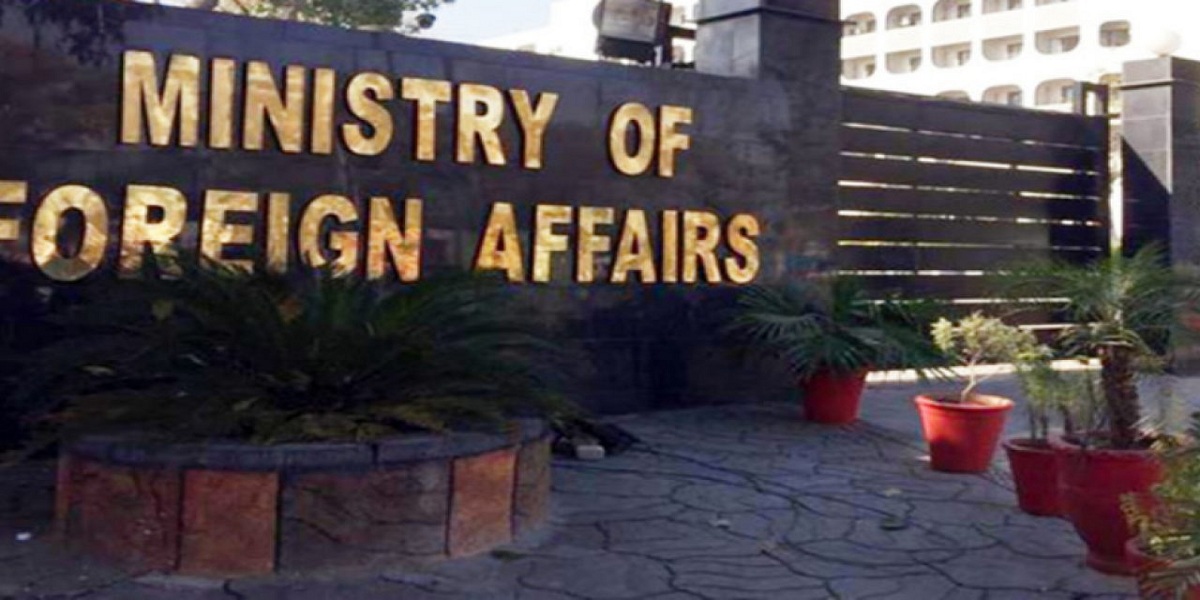
Closing the event, the Aurat Foundation reiterated its commitment to evidence-based advocacy, cross-sector collaboration, and long-term public awareness initiatives aimed at building a healthier, tobacco-free society.ISLAMABAD: Foreign Office Spokesperson on Saturday said that in Pakistan, state institutions actively worked to safeguard minorities as a matter of policy.
In stark contrast, incidents targeting minorities in India frequently occurred with the tacit approval or even complicity of elements within the ruling dispensation.
Responding to media queries concerning the remarks made by the Indian External Affairs in Lok Sabha and the related discussion on the situation of minorities in Pakistan, the spokesperson, in a statement, said, “India is in no position to champion minority rights, as it remains a serial violator of those very rights.”
The systematic promotion of hatred, discrimination, and violence against minorities in India was well-documented. “From the discriminatory Citizenship Amendment Act (CAA) to the bulldozing of homes, from the 2002 Gujarat massacre to the 2020 Delhi pogrom, from the demolition of the Babri Mosque in 1992 to the consecration of a temple on its ruins in 2024, from cow vigilantism and mob lynchings to attacks on mosques and shrines, India’s record is marred by egregious and systemic violations of minority rights, particularly those of Muslims,” the spokesperson further added.
Rather than feigning concern for minorities elsewhere, the spokesperson said the Indian government would do well to address its own failures. “It must take concrete steps to ensure the safety, protection, and well-being of minorities including Muslims and safeguard their places of worship, cultural heritage, and fundamental rights,” it was stressed.
Read more: 7.7 Magnitude Quake In Myanmar Claims Over 1000 Lives