ISLAMABAD: Pakistan moved closer towards its vision of a cashless and digital future as first-ever cashless weekly bazar was inaugurated in Sector H-9 on Friday. The ceremony was attended by Chairman of the Capital Development Authority (CDA) Muhammad Ali Randhawa, along with officials from the State Bank of Pakistan, Zindigi and the Islamabad administration.
Chairman Randhawa reviewed the digital payment system across the bazaar and made purchases using cashless methods. Shoppers were informed about the benefits of digital transactions, including convenience, transparency, and security. Special discounts are also being offered for payments made electronically.
The CDA chief told said on this occasion that the cashless system will be extended to all commercial centres, hospitals, restaurants, and Islamabad Airport. He urged banks to provide maximum facilities to traders and consumers and directed a public awareness campaign to ensure smooth adoption.
“This initiative aligns with the vision of the Prime Minister and Interior Minister to transform Islamabad into Pakistan’s first fully digital city,” he said, emphasizing that cashless transactions will help prevent fraud while facilitating citizens and businesses alike.
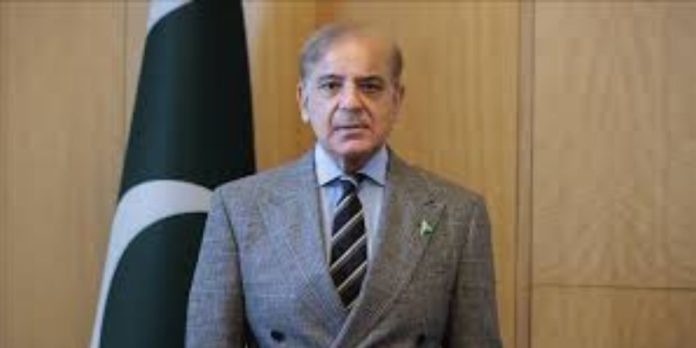
Prime Minister Shehbaz Sharif has called an emergency meeting of the federal cabinet today (Wednesday) to assess Pakistan’s deteriorating security situation and consider key policy responses, official sources said.
According to the sources, cabinet members have been instructed to remain available for the session, although a formal agenda has not yet been shared with them.
The cabinet is expected to deliberate on important measures concerning national security, while other major political and administrative issues will also come under discussion.
The meeting comes amid a renewed surge in militant activity linked to groups operating from across the Afghan border.
On Tuesday, a suicide bombing in Islamabad killed 12 people and injured 36 others, while tensions along the Pakistan-Afghanistan border have also intensified in recent weeks.
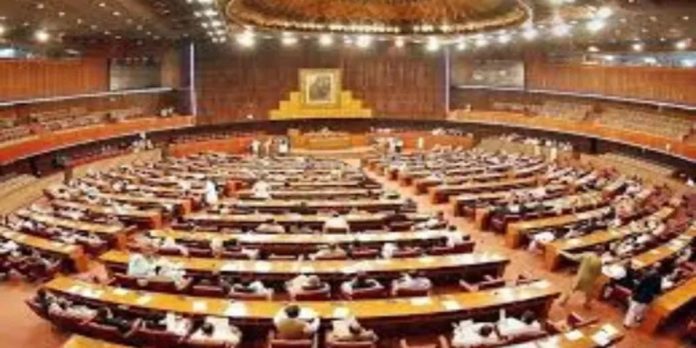
ISLAMABAD: After two consecutive days of detailed discussions, the joint parliamentary committee of the Senate and National Assembly on Law and Justice approved the draft of the 27th Constitutional Amendment on Sunday.
A report on the proposed amendment has also been finalised and will be presented in the Senate on Monday, with its presentation in the National Assembly likely the same day.
The joint session, co-chaired by Senators Farooq H. Naek and Mehmood Bashir Virk, was convened to review and finalise the draft of the amendment. The meeting was attended by Federal Law Minister Azam Nazeer Tarar, Minister of State for Railways and Finance Bilal Azhar Kayani, Attorney General Mansoor Usman Awan, PPP leader Naveed Qamar, and several other members.
While Jamiat Ulema-e-Islam (JUI-F) had boycotted the previous day’s proceedings, one of its representatives attended Sunday’s session. However, members of the PTI, Majlis Wahdat-e-Muslimeen (MWM), Pakhtunkhwa Milli Awami Party (PkMAP), and Sunni Ittehad Council continued their boycott and did not participate.
The committee’s work was divided into two sessions. During the first session, members approved amendments to Article 243, as well as provisions for establishing a constitutional court and other key clauses, paving the way for judicial reforms.
An amendment extending the time frame for pending case decisions from six months to one year was also approved. Under the new provision, any case remaining inactive for a year will be considered disposed of. Additionally, a clause granting lifelong immunity to the President of Pakistan received approval.
Following a short recess, the second session lasted over two hours, during which members gave final approval to the complete draft of the 27th Constitutional Amendment. The committee will now submit its report to the upper house.
Government coalition partners presented three additional amendments, while the Awami National Party (ANP), Balochistan National Party (BNP), and Muttahida Qaumi Movement (MQM) also put forward their proposals. Some were deferred for further discussion, while others were rejected.
Confirming the development, Senator Farooq H. Naek said that the draft had been approved with certain changes incorporated during deliberations. “The Law Minister and I have been authorised to make minor modifications where necessary,” he stated.
When asked by journalists about the immunity clause for President Asif Ali Zardari, Naek responded, “The amendment hasn’t even been passed yet — why are you getting upset already?”
Speaking to reporters after the meeting, Deputy Prime Minister and Foreign Minister Senator Ishaq Dar expressed satisfaction, saying it was encouraging that members had reached consensus on the proposed amendments. “Everything, including Article 243, has been agreed upon. The report will be presented in the Senate tomorrow,” he remarked, calling it “a positive step for the country.”
Law Minister Azam Nazeer Tarar indicated possible progress on MQM’s proposals, noting that the report would be tabled in the Senate on Monday at 11:30 a.m. He added that the amendment was expected to pass with a majority vote and could also be presented in the National Assembly later the same day.
Tarar further stated that most clauses of the amendment bill had been finalised, while a few newly received proposals were still under discussion. He confirmed that consultations were held on a possible name change for Khyber Pakhtunkhwa and that suggestions from the MQM and Balochistan Awami Party (BAP) were under review.
“The ANP and BAP will consult their leaderships before reaching a final decision,” he added.
It is worth mentioning that a constitutional amendment requires a two-thirds majority in both houses of parliament — 64 votes in the Senate and 224 in the National Assembly. The opposition, which currently holds 30 seats in the Senate, is expected to oppose the amendment.
As a student, reporter, and researcher who experienced university life from 2022 to 2025 and spent several years among young people, I often meet boys who feel confused about friendships with girls at university. They do not always understand where a friendly gesture ends and where someone begins to take unfair advantage. This article aims to raise awareness, not to attack girls or make boys fearful, but to help both sides build respectful and equal relationships.
University life in Islamabad is colorful. Students meet new people, share ideas, and join groups. For many boys, this is their first time living away from family. They want to be liked, they want to help, and they often carry strong hopes about romance. These feelings are normal, but they can also make a boy vulnerable to influence.
Mothers often warn their children that people sometimes try to get what they need from others. Sometimes this is done honestly; other times through soft pressure. Soft pressure can look like giving extra praise, asking for favors again and again, using kind words only when help is needed, or ignoring someone after the work is done.
Both girls and boys can behave this way, but in discussions with male students, I often hear stories where a girl’s warmth becomes a tool to gain academic notes, transport, money for snacks, or personal favors.
Some common examples include borrowing lecture notes or assignments repeatedly, asking for daily pick and drop services, requesting mobile balance or small cash help on a regular basis, seeking help in research projects or presentations, asking for emotional support during stress, and using a boy’s contacts to attend social events. Each of these things can be fine inside a genuine friendship, but they become unhealthy when the kindness is one-sided and the boy feels used.
My friend Emaan Asim once asked, “Why do boys fall for it?” The best answer may be that boys in their late teens or early twenties often wish to feel important, hope for a future relationship, lack confidence in saying no, believe that helping will earn respect, or fear hurting someone’s feelings. These emotions create weakness when boundaries are unclear.
Here are a few real statements from counseling sessions, with names changed for privacy: Ziyad said, “She only called me when she needed help with assignments. After exams, I never heard from her.” Naseer shared, “I drove her every day for six months. When I asked if we could spend time as friends, she said I was like a brother.” Azam said, “I paid for lunch many times because I felt shy to refuse.” Umer said, “She told me I was special, but later I found she said the same to other boys.” Ahmed said, “I stayed up late doing her research work. She thanked me and blocked my number later.” Saad said, “I thought we were close. She would cry about her problems but never asked about mine.” Zeeshan said, “I gave her my notes before every quiz. She stopped talking after the semester ended.” Nadir said, “I felt proud when she chose me for help. Later I realized she only needed my contacts and blocked me after her work was done.”
These stories show sadness but also an important lesson about personal boundaries. Boys should keep a balance between giving and receiving, ask themselves if the friendship benefits both sides, learn polite ways to say no, and not confuse every act of kindness with hope of romance. Good friendships require honesty and respect from both sides.
Parents and teachers also play a key role. Universities can organize workshops on communication and respectful behavior. Parents should talk to their sons about confidence and emotional limits, not just grades.
Campus life in Islamabad can be a beautiful start to adulthood. Friendships with girls are part of learning and growth. But boys need awareness about emotional pressure so they do not lose focus or self-respect. Girls also benefit when friendships remain fair and clear. Respect, honesty, and balance protect everyone.
This article is written for educational purposes. Understanding manipulation in a psychological sense helps both men and women build better relationships and a safer university culture.
About the Author: Mansoor Ahmed Qaisrani is a scholar and researcher of international relations who has been affiliated with the Institute of Regional Studies, the South Asian Strategic Stability Institute, and PTV News. He writes on foreign policy, economics, defense, sociology, and the judiciary. Reach him at: mqaisrani634@gmail.com
ISLAMABAD: A blast occurred in the basement of the Supreme Court of Pakistan’s building on Tuesday during air conditioner repair work, leaving at least 12 people injured, according to police.
Speaking to the media outside the Supreme Court, the Inspector-General (IG) of the Islamabad Police stated that three of the injured were transferred to PIMS Hospital, while nine were taken to the Polyclinic. Two of the victims are reported to be in critical condition.
According to the IG, gas leakage had been occurring in the canteen for several days, and the explosion took place during maintenance work on the air conditioner.
He added that most of the injured were AC technicians, one of whom suffered burns on nearly 80 per cent of his body.
Immediately after the blast, court authorities ordered the evacuation of all individuals inside the building.
Police and security agencies are currently assessing the impact of the explosion.
Immediately after the blast, the area surrounding the Supreme Court was sealed, and both court staff and visitors were shifted to safe locations.
ISLAMABAD: Foreign Office spokesperson said on Friday that Pakistan will continue to remain engaged in the ongoing mediation process and hopes for a positive outcome in the next round of talks with the Afghan Taliban regime, while appreciating the “constructive and sincere efforts” of Qatar and Turkiye in facilitating the peace process.
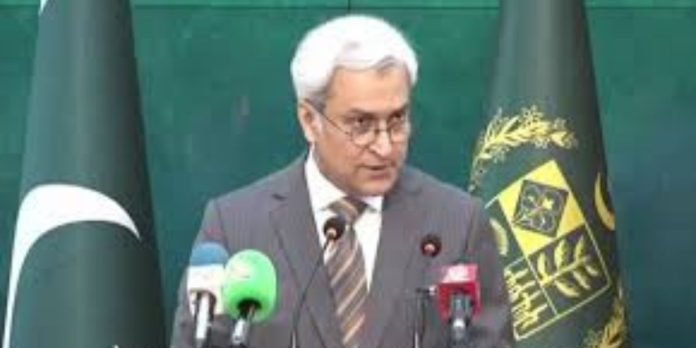
During weekly media briefing scheduled for Novemneber 6 in Islamabad on Friday Foreign Office Spokesperson Tahir Hussain Andrabi said that Pakistan’s government and armed forces are fully prepared to take all possible measures to protect the country’s sovereignty and ensure the security of its people.
Andrabi noted that Pakistan participated in the recent Istanbul talks “in good faith and with positive intent,” engaging constructively with the Taliban regime without compromising its principled stance that Afghan soil must not be used for terrorism against Pakistan.
He said Pakistan does not seek escalation but expects the Afghan Taliban to honour their international commitments and address Pakistan’s legitimate security concerns by taking concrete and verifiable action against terrorist entities, including Fitna al-Khawarij and Fitna al-Hindustan.
“For the past four years, Pakistan has been urging the Taliban regime to take decisive and effective measures against terrorist outfits, present on Afghan soil,” Andrabi said.
“We have repeatedly shared credible information about the presence of top leadership of Fitna al Khawarij and Fitna al Hindustan on Afghan soil with the Taliban regime,” he said. “However, despite repeated assurances in the past, there has been a surge in terrorist attacks in Pakistan from Afghanistan,” he added.
The spokesperson said Pakistan’s concerns had been ignored, leading to “unprovoked aggression” supported by Fitna al-Khawarij, which resulted in recent cross-border exchanges.
He said Pakistan decisively responded to the Afghan provocation aimed at destabilising the border area, facilitating terrorism and furthering Fitna al Khawarij’s nefarious designs. Pakistan will respond resolutely if provocations continue in future.
Andrabi reaffirmed that Pakistan remains desirous of a peaceful, stable, and prosperous Afghanistan that contributes to regional stability.
He also appreciated the “constructive and sincere efforts” of Qatar and Turkiye for facilitating the peace process.
Responding to a question, the Foreign Office spokesperson expressed optimism about the upcoming round of talks between Pakistan and the Afghan Taliban regime.
ISLAMABAD: Prime Minister Shehbaz Sharif will visit Saudi Arabia on a three-day official visit from October 27 to 29, following an invitation by Prince Mohammed bin Salman, the Foreign Office announced on Sunday.
As per the Foreign Office, Prime Minister Shehbaz Sharif will take part in the ninth Future Investment Initiative (FII) in Riyadh, a premier global platform where world leaders, investors, and policymakers will gather to discuss key challenges and opportunities in the global economy.
The conference will focus on innovation, sustainability, economic inclusion, and geopolitical shifts, offering Pakistan a chance to present its vision for inclusive growth and investment potential.
PM Sharif will be accompanied by Deputy Prime Minister Ishaq Dar and senior cabinet members.
During the visit, the delegation is expected to hold meetings with Saudi officials and business leaders to explore cooperation in the areas of trade, investment, energy, and manpower export.
Islamabad: The Pakistan Meteorological Department (PMD) reported that a 5.3-magnitude earthquake jolted the twin cities and several northern regions of the country on Tuesday night.
According to the PMD, the quake’s epicentre was located in Afghanistan’s Hindu Kush region at a depth of 234 kilometres and occurred at around 11:15pm.
Tremors were felt in Islamabad, Rawalpindi, Peshawar, Chitral, Swat, Dir and Malakand, the department added.
Meanwhile, the United States Geological Survey (USGS) recorded the earthquake at a magnitude of 5.1, about 34 kilometres west of Ishkashim, a border town in Afghanistan’s Badakhshan province, at a depth of 243.9 kilometres.
Two Reuters witnesses said strong tremors were felt in Afghanistan’s capital of Kabul.
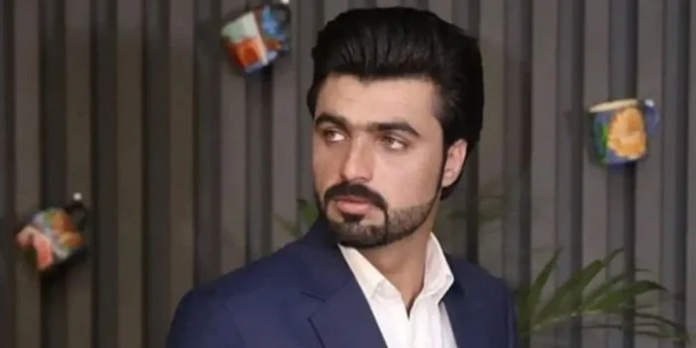
ISLAMABAD: Arshad Khan, famously known as Chaiwala, has regained his Pakistani nationality after the National Database and Registration Authority (NADRA) admitted to mistakenly blocking his ID card over allegations of holding Afghan citizenship. The viral tea-seller-turned-entrepreneur expressed gratitude after the issue was legally resolved.
Arshad Khan’s lawyer confirmed that NADRA had restored his ID card, acknowledging that the earlier action was based on an error. The development ends months of speculation regarding the nationality of the internet sensation.
Speaking to the media, his lawyer said, “Arshad Khan’s Pakistani identity card has been unblocked, which is good news for all Pakistanis, especially the youth. We had provided all necessary documents when the issue first arose and requested NADRA to follow the legal procedures.”
The lawyer further revealed that Arshad himself appeared in court, where the verification process was carried out for him and his family members. After reviewing all official records, NADRA accepted the documents as genuine and admitted its mistake. “NADRA accepted their mistake and restored his ID card,” the lawyer added, emphasizing that the decision reflected a commitment to fairness and due process.
Arshad Khan expressed heartfelt gratitude after the restoration of his ID card. “I am a proud Pakistani and will always remain so,” he said. He thanked his supporters for their encouragement during the ordeal and reaffirmed his dedication to representing Pakistan. “Just as I built the Arshad Khan Chaiwala franchise, I will continue to serve and represent Pakistan proudly,” he added.
ISLAMABAD: Authorities have initiated a large-scale operation targeting illegal Afghan residents across Punjab, including major cities such as Islamabad and Lahore. In a late-night raid in the federal capital, police apprehended 17 Afghan nationals residing in the country without legal documentation.
The search operation was led by the SP City at the Secretariat Police Station in Bari Imam, where the Afghan migrants resisted arrest but were ultimately taken into custody. These detainees have been transferred to the police station and are set to be deported to Afghanistan from the Torkham border.
In addition to Islamabad, similar operations began across Punjab to identify illegal Afghan residents. Nomadic Afghan families are being geo-tagged, and data for individuals holding Pakistani identity cards is also being verified. The Lahore authorities have resolved to take strict action against those who have fraudulently registered as Pakistani families.
Police sources disclosed that the National Database and Registration Authority (NADRA) is assisting in cross-checking family trees and records, as many Afghans have been living in Pakistan for over four decades with Pakistani identity cards. The police sources said those holding residential permits and Afghan citizen cards are also being sent back to Afghanistan.
Separately, the process of evacuation of Afghan migrants from Faisalabad has been completed, with all Afghan migrants voluntarily relocating to Peshawar. The Faisalabad administration had prepared a list of 413 Afghan migrants, but during the search, an additional 35 were discovered, making a total of 448.
To avoid arrest, all left the city voluntarily. The Foreigners Cell of Faisalabad Police has declared the city clear of Afghan migrants. Abu Zar Sarwar Bhatti, in charge of the Foreigners Cell at Faisalabad Police, stated that no Afghan nationals remain in Faisalabad. Abu Zar Sarwar Bhatti said before leaving, the Afghan migrants submitted affidavits to the administration.