
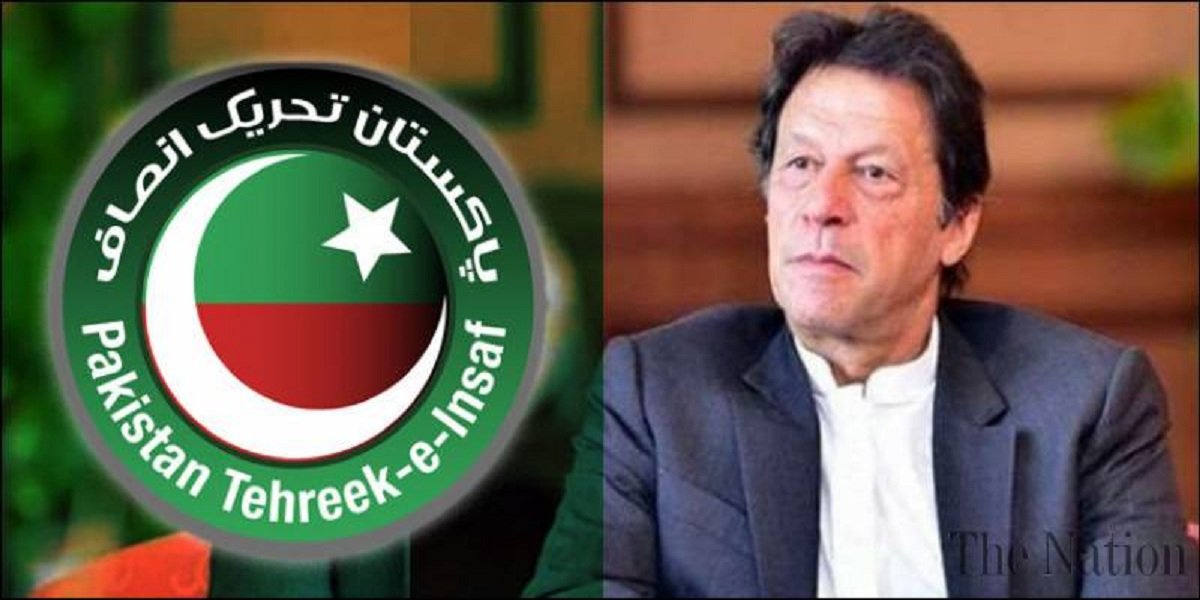
In the ever-evolving landscape of Pakistan’s political arena, Imran Khan, the Chairman of Pakistan Tehreek-e-Insaf (PTI), has found himself embroiled in a whirlwind of legal battles and political challenges since August 2023.
With nearly 200 cases and imprisonments looming over him, Khan’s journey reflects not only the complexities of the nation’s judicial system but also the broader issues plaguing its democratic framework.
While Khan’s supporters decry what they perceive as targeted persecution, it’s essential to acknowledge the need for due process and the rule of law. Every citizen, regardless of their political affiliation, deserves fair treatment and a transparent legal process. In this regard, President Arif Alvi’s call for a level playing field is not just a political statement but a fundamental principle of democracy.
The allegations against Khan, spanning accusations of corruption and misappropriation of funds, must be addressed through legal channels. However, it’s crucial to ensure that these proceedings are conducted impartially, without political bias or undue influence. The politicization of legal matters only serves to undermine public trust in the judiciary and perpetuate a cycle of political instability.
Moreover, the scrutiny faced by Khan’s personal life raises broader questions about privacy and the boundaries of political discourse. While public figures inevitably face heightened scrutiny, there must be a balance between holding individuals accountable and respecting their personal lives. Injecting personal matters into political debates detracts from substantive issues and erodes the integrity of the political process.
President Alvi’s emphasis on completing all assemblies and the Senate before electing the next president speaks to the broader need for institutional stability. In a country plagued by frequent political upheavals, ensuring the continuity of democratic processes is essential for maintaining stability and promoting investor confidence.
However, the challenges facing Pakistan’s democracy extend beyond legal and institutional reforms. Deep-seated issues such as corruption, nepotism, and political polarization continue to hamper progress and hinder the country’s development. Addressing these underlying issues requires a concerted effort from all political parties, civil society organizations, and the broader public.
Furthermore, the role of the media in shaping public perception and political discourse cannot be overstated. While the media plays a crucial role in holding leaders accountable, it must do so responsibly and ethically. Sensationalism and biased reporting only serve to exacerbate tensions and deepen divisions within society.
As Pakistan navigates through these challenges, it’s essential to maintain a balanced and nuanced approach. While holding leaders accountable is vital for a functioning democracy, it must be done in a manner that upholds the principles of fairness, transparency, and due process. Only by fostering an environment of trust and cooperation can Pakistan overcome its current challenges and move towards a more stable and prosperous future.
Imran Khan’s journey reflects the broader struggles facing Pakistan’s democracy. While his legal battles and political challenges have captured headlines, they also highlight the need for systemic reforms and a renewed commitment to democratic principles. By addressing the root causes of political instability and promoting institutional integrity, Pakistan can chart a path towards a brighter and more prosperous future for all its citizens.