
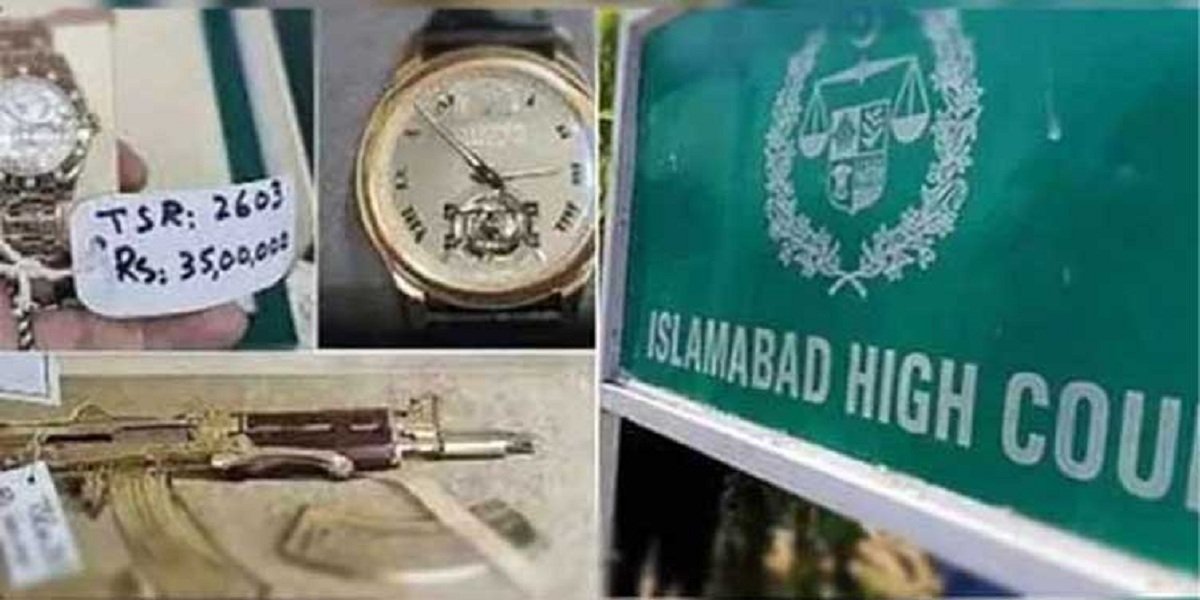
In light of recent developments surrounding the Toshakhana case and its implications for former Prime Minister Imran Khan, it’s essential to delve deeper into the intricacies of this controversy and its broader implications for Pakistani politics. While accusations of misuse of official privileges have been levied against Khan, it’s imperative to approach these allegations with caution and skepticism, considering the complex political landscape in which they have emerged.
The Toshakhana case, which revolves around the alleged misappropriation of official gifts by Pakistani dignitaries, has garnered significant attention in recent weeks. The Islamabad High Court’s decision to intervene in the matter and prevent the police from arresting Imran Khan has added another layer of complexity to the ongoing saga.
According to a report by The News Today, the Islamabad High Court halted the police from arresting Imran Khan in the Toshakhana case, granting him relief and directing the authorities to provide security. This decision comes in response to Khan’s plea challenging the arrest warrants issued against him and asserting his willingness to appear before the court.
While the court’s intervention may provide temporary respite for Khan, it does little to dispel the cloud of suspicion surrounding the Toshakhana controversy. Allegations of political victimization and selective accountability have cast a shadow over the case, raising questions about the impartiality of the judicial process and the motivations behind the accusations.
It’s worth noting that Khan’s indictment in the Toshakhana reference has been deferred multiple times due to his continuous absence from court hearings. This pattern of evasion has only served to fuel speculation and mistrust, further complicating efforts to resolve the matter through legal channels.
Critics argue that the Toshakhana case is part of a broader pattern of political vendetta orchestrated by vested interests within Pakistan’s power structures. The influence of the military establishment and other powerful stakeholders cannot be overlooked in shaping the narrative and influencing the course of legal proceedings.
In the midst of these allegations and counter-allegations, it’s crucial to uphold the principles of due process and judicial integrity. While Imran Khan, like any other citizen, must be held accountable for any wrongdoing, it’s essential to ensure that the legal process is free from external interference and conducted in a fair and transparent manner.
Moreover, the Toshakhana controversy underscores the need for greater transparency and accountability in governance. The misuse of official privileges by Pakistani dignitaries reflects systemic flaws within the country’s political institutions, highlighting the urgent need for reforms to strengthen oversight mechanisms and prevent abuse of power.
As the Toshakhana case continues to unfold, it’s essential for all stakeholders to uphold the principles of justice and fairness, ensuring that the truth prevails and that those responsible for any wrongdoing are held accountable.
Only through a commitment to transparency and accountability can Pakistan hope to overcome the challenges that have plagued its political landscape for far too long. The Toshakhana controversy has thrust Imran Khan into the spotlight, it’s essential to approach these allegations with skepticism and critical scrutiny. Political motivations and external pressures must not be allowed to undermine the pursuit of truth and justice, as the integrity of Pakistan’s democratic institutions hangs in the balance.
Also Read: Toshakhana case: Islamabad court rejects Imran Khan’s plea seeking suspension of arrest warrant