KARACHI: The Federation of Pakistan Chambers of Commerce and Industry (FPCCI), raising voice against closure of marriage halls and restaurants, has warned the government of taking final decision after consultation with the stakeholders, who are creating millions of jobs in the country, as unilateral decision wouldn’t be accepted.
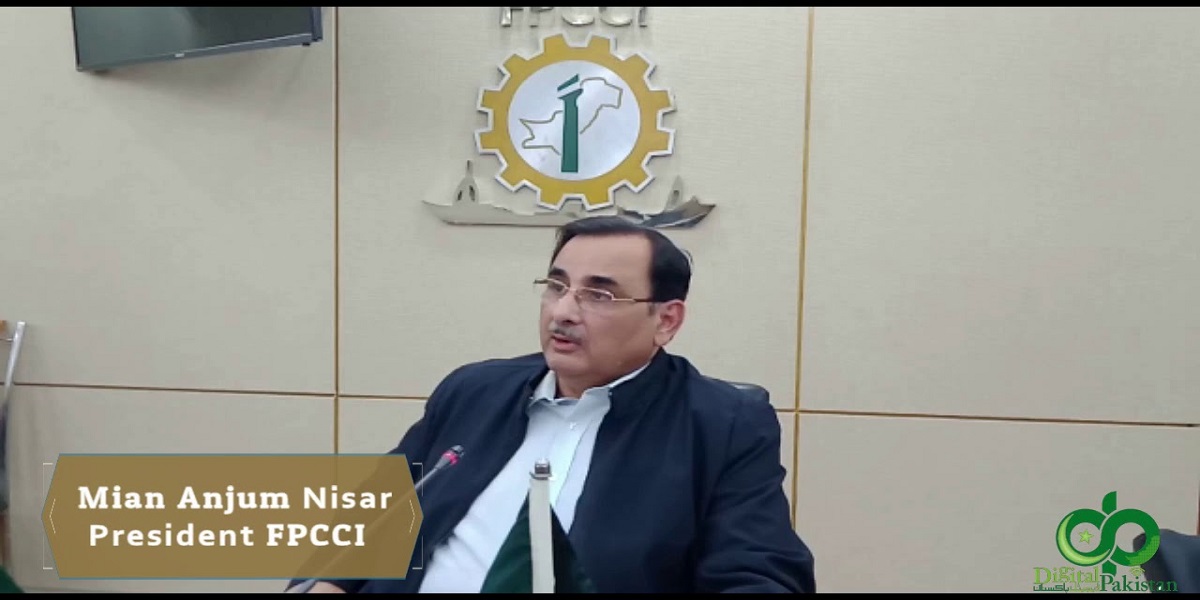
Talking to a delegation of the restaurants and banquet halls association members here on Saturday, FPCCI President Mian Anjum Nisar said that marriage halls and restaurants industry are also one of the essential food sector and their closure will hit the overall economy of the country hard.
He appreciated Prime Minister Imran Khan’s decision not to shut down factories and businesses despite a spike in coronavirus infections. The food industry contribute largely to the GDP, and its closure would directly affect 50-60 allied industries, including meat, poultry, rice, cooking oil, flour, fruits/vegetables, crockery, clothing, shoes, , photography, wedding cards and jewelry, cosmetics, decoration, furniture, lighting and electronics.
“The permission of outdoor gathering and wedding ceremonies is not a practicable idea as it is not possible in winter, he said and suggested to allow indoor activities in marriage halls and banquets in limited capacity with strict implementation of SOPs,” the FPCCI President argued.
Mian Anjum Nisar said that being an elected body of the trade and industry across Pakistan, FPCCI also suggests the government to allow smooth running of the restaurants with at least 40% capacity, as this industry was affected heavily due to very late permission of reopening of restaurants during first wave of the pandemic.
He said that the marriage halls and restaurants were adversely impacted by the lockdown and the consequent economic slowdown. He said that banquet halls industry has suffered a lot due to the previous lockdown and now they should be allowed to work with Standard Operating Procedures (SOPs) and government should facilitate it.
The FPCCI President said that State Bank of Pakistan had introduced a temporary Finance Scheme for the payment of salaries and wages of the workers but restaurants industry was not accommodated, as the central banks put extra restrictions for them to avail this facility.
He said, FPCCI is ready to join hands with the government and defeat the second wave of coronavirus while strictly observing SOPs that primarily requires wearing face masks at public places, as we don’t want to lead people to death due to hunger, while saving them from coronavirus as per the vision of the PM.
“We should understand that the country’s economy is now on a positive path of progress, as the first wave of coronavirus could have devastated Pakistan’s economy but the nation’s support helped it come out of the crisis, he said, adding that the world is still mired in worse economic situations coupled with increasing Covid-19 deaths.
Anjum Nisar said the country’s exports were now increasing due to government’s sustained economic policies, which had helped Pakistan overcome its fiscal deficit and current account deficit from $20 billion trade gap of almost two years back.
“FPCCI applauds the government achievement that for the first time in 17 years, Pakistan showed current account deficit in surplus, and this situation might reverse if the food sector, which is majorly run by the restaurants and marriage halls is closed,” he warned.
He said that like other parts of the world, Pakistan was also hit by the second wave of Covid-19, but the country should not opt for a complete lockdown. He said Pakistan should only shut non-essential sectors as par the vision of the PM to save its poor people as well as economy from the severe consequences. With the high level of poverty and the lessons learnt from the first wave of Covid-19, we cannot afford the lockdown of businesses and factories, where people are employed.
The government tackled the first wave of Covid-19 through effective measures and saved the people from economic effects, the same strategy should be adopted in second wave of corona. He said that after realizing the worst economic impact of complete lockdown, the government adopted the strategy of ‘smart lockdown’ on hot spots and quickly opened the construction sector, followed by other businesses, to save the poor and daily-wage earners from hunger, which was a right decision and FPCCI appreciates it.
With input from INP
Read more: ADB approves $300 million loan for Pakistan