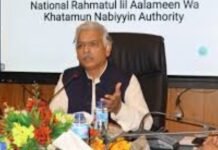
ISLAMABAD: On the occasion of International Human Rights Day, the Uks Research, Resource & Publication Center Islamabad and WACC Global jointly organized a webinar on the topic of ‘Will the media start reporting rape?.
Having renowned journalists, media practitioners and human rights activists on the platform, the purpose of the webinar was to have a debate on the mismatch of media’s reporting on rape cases and the actual rape incidents happening.
Anchoring the webinar Executive Director of Uks research Ms. Tasneem Ahmar drew a quick comparison between the cases of rape reported in the media and the statistics compiled by Uks. She also shared with the audience the way these cases are reported and the language used while reporting them.
Editor Daily Dawn Zaffar Abbas acknowledged that improvement has been seen and there is still room for improvement regarding reporting of rape cases. He also admitted that it is hard to report all the cases with current rate of rape incidents, and recommended that there has to be a mechanism to monitor, collecting data and publication of statistics.
Zarrar Khuhro – a TV show host questioned the content of reported rape incidents and stated that it was more important to note what is actually being said than whether or not it’s being reported.
Huma Amir Shah, famous morning show host, touched upon the dilemma of insensitive and unethical projection of rape cases on social media. Referring to the Kashmore Child Rape case, she shed light on another aspect that the media uses words with the wrong connotation like “ziyadti” saying that the equivalent for the word rape doesn’t exist in Urdu.
Political talk show host Asma Shirazi agreed that certain cases gain more attention and others don’t. Similarly other beats always gain special attention even though rape is an equally important issue but there are only certain slots that cover rape.
She said it is worth appreciating that media persons are more sensitive about right to privacy of a victim now.
Chairperson of HRCP Zohra Yusuf said cases of rape of woman and girls are highlighted more than that of boys in madrassas. She believed that reporting comes with a huge spotlight initially but later on media outlets hardly do any follow-ups.
Drama writer Bee Gul expressed sorrow over the fact that people rather entertain themselves with rape cases. She said that it is important to change the mindsets of people who suppress rape cases but ensuring safe portrayal is important.
Riaz Sohail a journalist associated with BBC Urdu elaborated few ethical codes regarding the reporting of rape with respect to protecting the survivors’ identity.
A versed female reporter Fauzia Shahid expressed her dismay and frustration over the mentality of Urdu newspapers as they still appear to be very conservative.
Journalist Zafar Baloch stated that reporting does take place in Baluchistan and the media tries its best to get to the victims of harassment and rape victims space but the victims refrain from coming on media and open up.
Bureau Chief Aaj News Peshawar Farzana Ali shared that the survivor always finds it hard to open up about this discussion as there are certain aspects that affect their confidence including their own family.
Executive Director Uks Ms. Tasneem Ahmar concluded the discussion by saying that the word rape should be used both in English and Urdu media, instead of word ‘ziadti’ which does not convey intensity of the gruesome crime.