
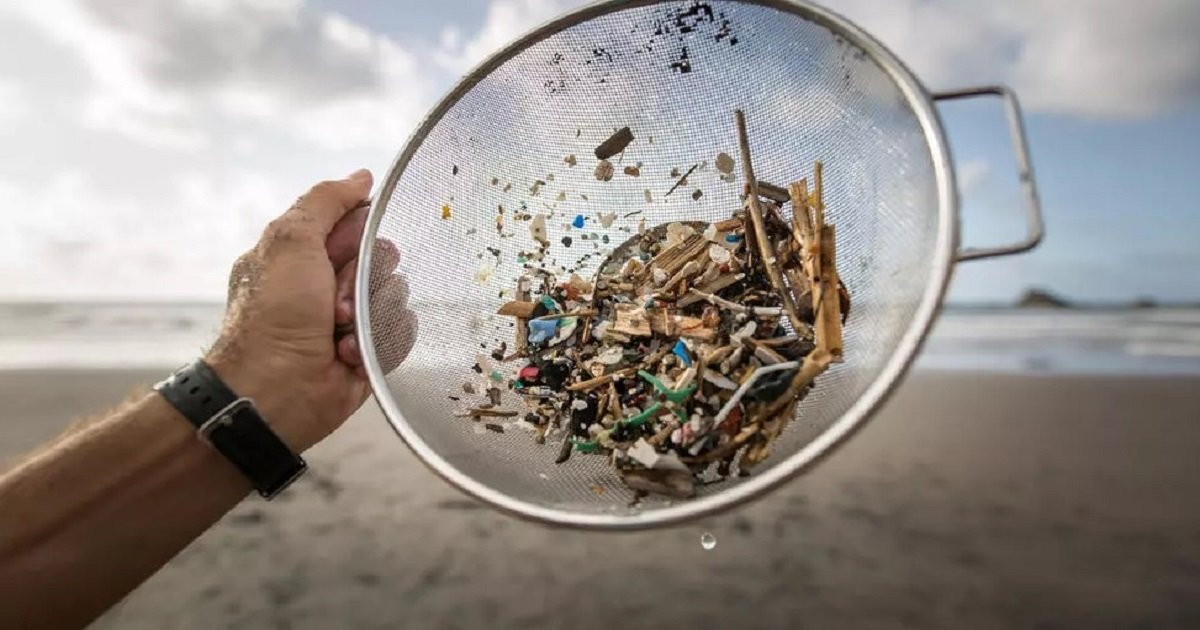
SYDNEY: The world’s sea floor is littered with an estimated 14 million tonnes of micro-plastics, broken down from the masses of rubbish entering the oceans every year, according to Australia’s national science agency.
The quantity of the tiny pollutants was 25 times greater than previous localized studies had shown, the agency said, calling it the first global estimate of sea-floor micro-plastics.
Researchers at the agency, known as CSIRO, used a robotic submarine to collect samples from sites up to 3,000 metres (9,850 feet) deep, off the South Australian coast.
“Our research found that the deep ocean is a sink for micro-plastics,” principal research scientist Denise Hardesty said.
“We were surprised to observe high micro-plastic loads in such a remote location.”
The scientists, who published their findings in peer-reviewed journal Frontiers in Marine Science, said areas with more floating rubbish generally had more micro-plastic fragments on the sea floor.
“Plastic pollution that ends up in the ocean deteriorates and breaks down, ending up as micro-plastics,” study lead Justine Barrett said.
“The results show micro-plastics are indeed sinking to the ocean floor.”
Hardesty called for urgent action to find solutions to marine plastic pollution, which affects ecosystems, wildlife and human health.
“Government, industry and the community need to work together to significantly reduce the amount of litter we see along our beaches and in our oceans,” she said.