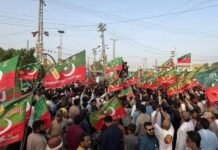

In the turbulent landscape of Pakistani politics, the recent move by the opposition, spearheaded by PML-N President Shahbaz Sharif, to table a no-confidence motion against Prime Minister Imran Khan in the National Assembly has reignited debates surrounding the role of the military in shaping political outcomes.
As the nation braces for a critical juncture in its democratic journey, it is imperative to contextualize this development within the broader framework of Pakistan’s political dynamics and the historical legacy of military intervention.
However, beneath the surface of this political maneuvering lies a deeper concern about the influence of the military establishment on Pakistan’s political affairs. Throughout its history, Pakistan has grappled with the specter of military intervention, with successive military coups and interventions undermining democratic governance and civilian authority. The military’s pervasive influence in political decision-making has long been a subject of debate, raising questions about the extent of its involvement in shaping political outcomes.
Critics argue that the no-confidence motion against Imran Khan is not merely a reflection of opposition discontent but also a manifestation of broader power struggles and vested interests within Pakistan’s political landscape. The role of the military establishment in orchestrating political alliances and manipulating electoral processes cannot be overlooked, with allegations of “electoral engineering” and interference in the democratic process casting a shadow over the credibility of Pakistan’s electoral system.
Moreover, the military’s interventions in foreign policy decision-making and its support for militant proxies have further complicated Pakistan’s relations with the international community, undermining efforts at conflict resolution and exacerbating regional tensions. The military’s influence in shaping Pakistan’s foreign policy agenda has often diverged from civilian priorities, leading to diplomatic isolation and economic sanctions.
In light of these developments, the no-confidence motion against Imran Khan must be viewed through a critical lens, considering the broader patterns of military intervention and their impact on democratic governance. While the ostensible grounds for the motion may appear legitimate, the underlying motives and vested interests at play warrant closer scrutiny. The specter of military influence looms large over Pakistan’s political landscape, raising concerns about the erosion of democratic norms and the subversion of civilian authority.
As Pakistan navigates the complexities of its political landscape, it is essential to address the root causes of military intervention and strengthen democratic institutions to ensure the supremacy of civilian authority. Only through a concerted effort to uphold the principles of democracy, accountability, and transparency can Pakistan overcome the legacy of military dominance and chart a course towards a more stable and prosperous future.