ISLAMABAD: Pakistan lashed out at Indian for its involvement in terrorism within Pakistan and stated that it is undeniable that New Delhi is now orchestrating acts of terrorism and massacres across the globe.
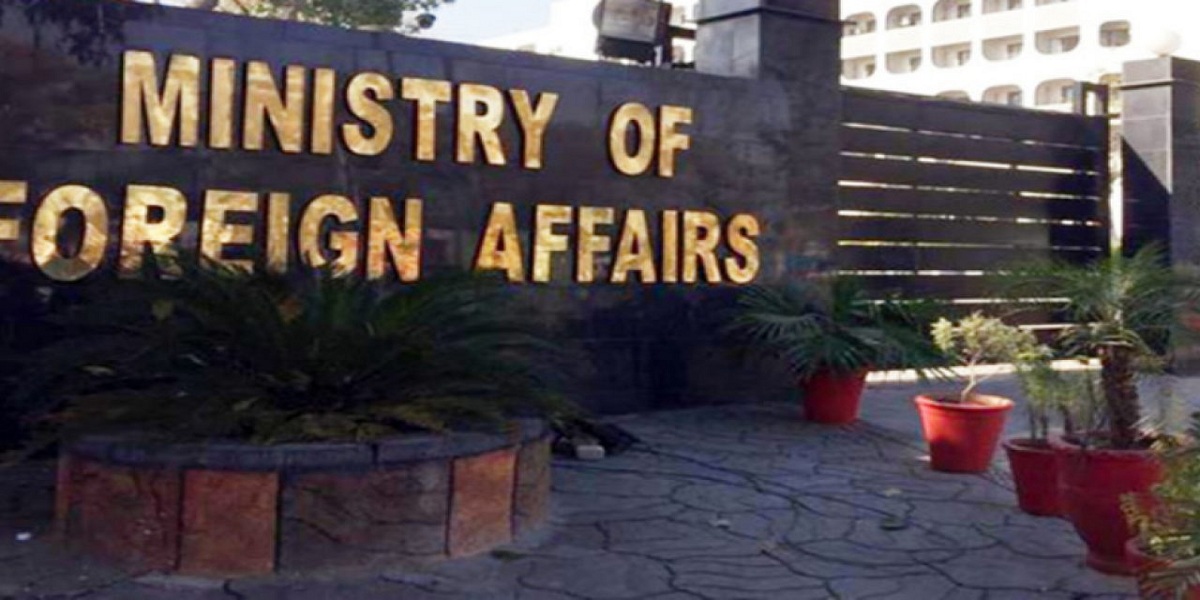
Foreign Office spokesperson Shafqat Ali Khan during press briefing has stated that Pakistan has a firm stance on terrorism and that there is clear evidence of Indian interference in Balochistan.
He alleged that Indian proxies are actively involved in terrorist activities and emphasized that Pakistan is raising the issue of Indian-sponsored terrorism at all international platforms.
Commenting on the presence of terrorist safe havens in Afghanistan, the spokesperson noted that these remain a significant challenge for Pakistan. He said Pakistan is in touch with Afghan authorities on this matter and hoped Kabul would cooperate in tackling the issue.
Regarding the past, Shafqat Ali Khan remarked, “Whatever happened in the past is now history — only the leaders of that time can explain their decisions during the 1980s. Instead of remaining stuck in the past, we should focus on building a better future.”
He also condemned the continued human rights violations in Indian-occupied Kashmir, calling it deeply unfortunate that the suffering of the Kashmiri people has not been alleviated. He reaffirmed Pakistan’s strong position against the humiliation of Kashmiri youth by Indian forces.
Khan clarified that only the PPP spokesperson can explain Bilawal Bhutto’s statement. However, he added that Bilawal never named any individual in connection with being handed over to India. He accused India’s national security adviser of misrepresenting facts, calling the Indian NSA’s statement a reflection of New Delhi’s hostile intentions.
On upcoming diplomatic engagements, the spokesperson confirmed that Deputy Prime Minister and Foreign Minister Ishaq Dar has no plans to meet any Indian official on the sidelines of the SCO summit. However, meetings with other participating leaders are being scheduled. He also underlined the importance of the Indus Waters Treaty, describing it as a matter of life and death for Pakistan’s 250 million people.
Khan reiterated Pakistan’s unwavering friendship with China and confirmed there has been no change in Islamabad’s policy on Taiwan. He added that Pakistan is interested in joining the BRICS group but cannot comment on related developments as it is not currently a member.
On environmental concerns, he noted that Pakistan is among the countries most affected by environmental pollution, despite contributing far less to the global carbon footprint than many others.
He also recalled that Pakistan Steel Mills was a gift from the Soviet Union and confirmed that the government is actively seeking to revive it, including consultations with senior US officials regarding a trade agreement.
Read more: Pakistan’s Electric Vehicle Revolution Picks Up Speed—But Key Roadblocks Persist