At a moment when the world stood on the brink of economic recovery and geopolitical de-escalation, the sudden reversal in the status of the Strait of Hormuz has once again plunged global stability into uncertainty. What appeared to be a fragile but promising pathway toward peace between the United States and Iran was disrupted in less than 24 hours—transforming hope into renewed confrontation and exposing the deep fragility of ongoing diplomacy.
The timeline of events is critical to understanding the gravity of the situation. On Friday, April 17, 2026, Iran briefly reopened the Strait of Hormuz, allowing controlled commercial passage. This move followed a fragile ceasefire environment in the region and was widely interpreted as a goodwill gesture aimed at supporting ongoing mediation efforts, particularly those facilitated by Pakistan. The impact was immediate: global markets rebounded, oil prices stabilized, and investor confidence surged as trillions of dollars in previously lost market value began to recover.
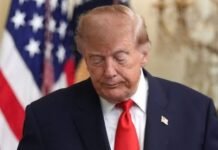
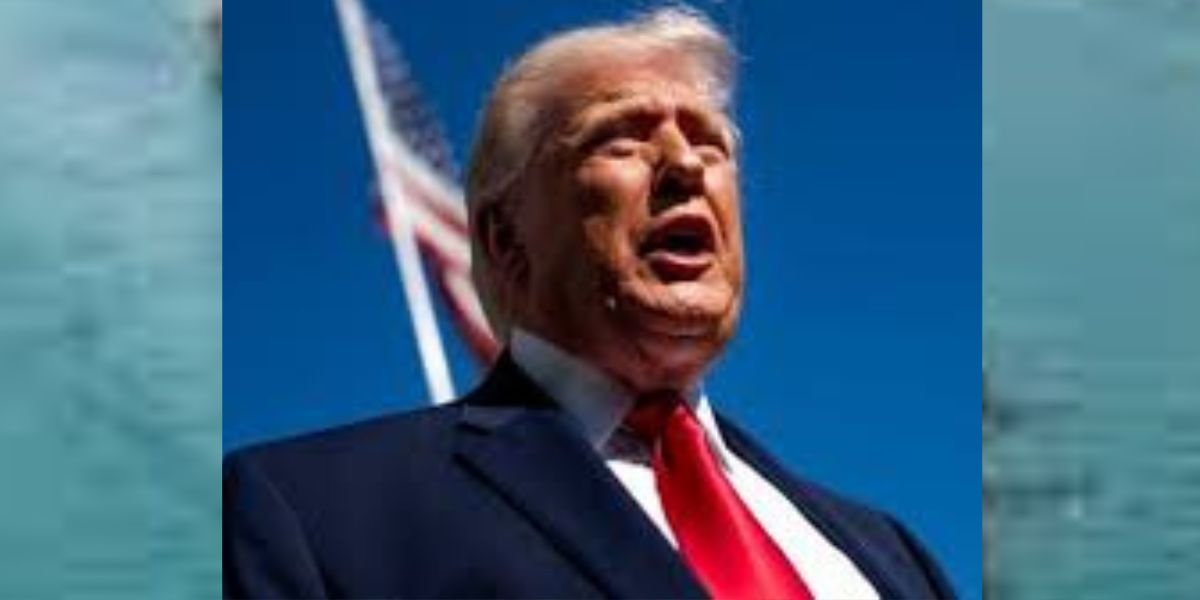
However, later on the same day—April 17, 2026—President Donald Trump made it unequivocally clear that the United States would not lift its naval blockade on Iranian ports and shipping, stating that the blockade would remain in full force until a comprehensive agreement was reached with Tehran. This declaration fundamentally altered the diplomatic landscape. What Iran had presented as a conciliatory step was met not with reciprocity, but with continued pressure.
The consequences were swift and decisive. On Saturday, April 18, 2026, Iran reversed its position. Iranian military authorities announced that the Strait of Hormuz had returned to “strict management and control” under its armed forces. By later that day, Iran effectively reimposed restrictions on the waterway, warning that any unauthorized vessel would be targeted. In practical terms, the Strait was once again closed—this time under a far more militarized and confrontational posture.
This rapid sequence—reopening on April 17, U.S. refusal to ease the blockade later that same day, and reclosure by Iran on April 18—illustrates how fragile and reactive the current diplomatic environment has become. Rather than a gradual breakdown, the process collapsed almost instantly, driven by contradictory actions and absence of coordinated confidence-building measures.
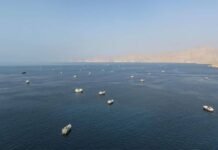
The escalation was not merely symbolic. Reports of Iranian gunboats firing upon merchant vessels, including Indian-flagged ships, triggered immediate international alarm. India’s diplomatic protest underscored the global stakes involved. The Strait of Hormuz is not just a regional passage; it is a critical artery through which nearly 20% of the world’s oil supply flows. Any disruption sends shockwaves across global energy markets, trade routes, and national economies.
The economic fallout was immediate. Oil prices surged sharply, moving from relative stability into volatile territory. Financial markets, which had rallied just hours earlier, again lost significant value. Supply chains, already strained by weeks of conflict, faced renewed uncertainty. What the world briefly perceived as a turning point toward peace quickly reverted into another phase of instability.
Amid this turbulence, diplomatic efforts led by Pakistan have continued with notable persistence. High-level engagements—including visits by Pakistan’s military leadership to Tehran and regional outreach by Prime Minister Shehbaz Sharif—reflect a sustained commitment to bridging the divide between Washington and Tehran. Yet these efforts are being undermined not by lack of diplomacy, but by lack of discipline within diplomacy.
One of the most damaging elements in this process has been the premature disclosure of sensitive negotiations. Diplomatic engagements—especially those mediated by third parties—require confidentiality, trust, and incremental consensus-building. When incomplete discussions, such as proposals regarding nuclear material or security guarantees, are made public prematurely, they trigger defensive reactions and harden positions.
Iran’s firm stance on not handing over enriched uranium must be understood within this context. Such positions are often part of broader negotiation frameworks, not final conclusions. Publicizing them as definitive outcomes distorts the process and fuels mistrust. In diplomacy, discretion is not optional—it is essential.
Simultaneously, developments in Lebanon have added another layer of volatility. The killing of a French UN peacekeeper and subsequent accusations between Israel and Hezbollah highlight how fragile ceasefires can easily unravel. Whether intentional or incidental, such incidents risk reopening additional fronts, complicating already delicate negotiations elsewhere.
Against this backdrop, the joint initiative by the United Kingdom and France on April 17, 2026, represents a significant geopolitical shift. Convening more than 50 nations, the summit emphasized freedom of navigation, adherence to international law, and the urgent need to reopen the Strait of Hormuz unconditionally. The proposal for a multinational defensive maritime mission signals growing international concern over the weaponization of critical trade routes.
Notably, the relative absence of the United States from this initiative indicates an emerging divergence between Washington and its European allies. The declaration implicitly criticized both the U.S. blockade and Iran’s retaliatory restrictions, placing responsibility on all parties to restore normalcy. This development reflects a broader transformation in global geopolitics—one in which Europe is increasingly willing to chart an independent course when global economic stability is at risk.
At its core, the crisis reveals a fundamental contradiction. All parties publicly express commitment to peace, yet their actions often undermine that objective. The United States insists it cannot be pressured, while Iran asserts its sovereign control over its waterways. Both positions, while strategically understandable, become counterproductive when pursued without coordination.
The cost of this contradiction is global. Countries with no direct involvement in the conflict are bearing immense economic burdens—rising fuel costs, disrupted trade, inflationary pressures, and weakened currencies. The global economy, still recovering from previous shocks, cannot sustain prolonged instability in such a vital region.
There is, therefore, an urgent need for recalibration. Diplomacy must return to its foundational principles: confidentiality, sincerity, and mutual respect. Public rhetoric must align with private commitments. Actions must build trust, not erode it. Incremental progress—however modest—is far more valuable than dramatic reversals that undo hard-earned gains within hours.
The path forward requires discipline and restraint. Negotiations must proceed without unnecessary public exposure, allowing mediators the space to manage complex issues. Confidence-building measures—such as phased easing of blockades and conditional reopening of transit routes—should be prioritized.
Ultimately, the lesson of this crisis is stark. Peace is not achieved through isolated gestures, but through sustained, coordinated actions. The events of April 17 and April 18, 2026, stand as a powerful reminder that diplomacy can collapse just as quickly as it can emerge.
If the current trajectory continues, the world risks not only economic turmoil but also the loss of a rare diplomatic opportunity. But if restraint prevails, if confidentiality is respected, and if sincerity guides action, there remains a possibility—still fragile, but real—that this crisis can be transformed into a turning point.
The choice lies with the actors involved. The consequences, however, will be borne by the entire world.