Pakistan proposed an 18.77 trillion rupees ($67.49 billion) budget on Friday, raising defence spending, limiting development expenditure and setting a steep tax target as the government tries to keep its IMF programme on track without provoking political fallout at home, Reuters reported.
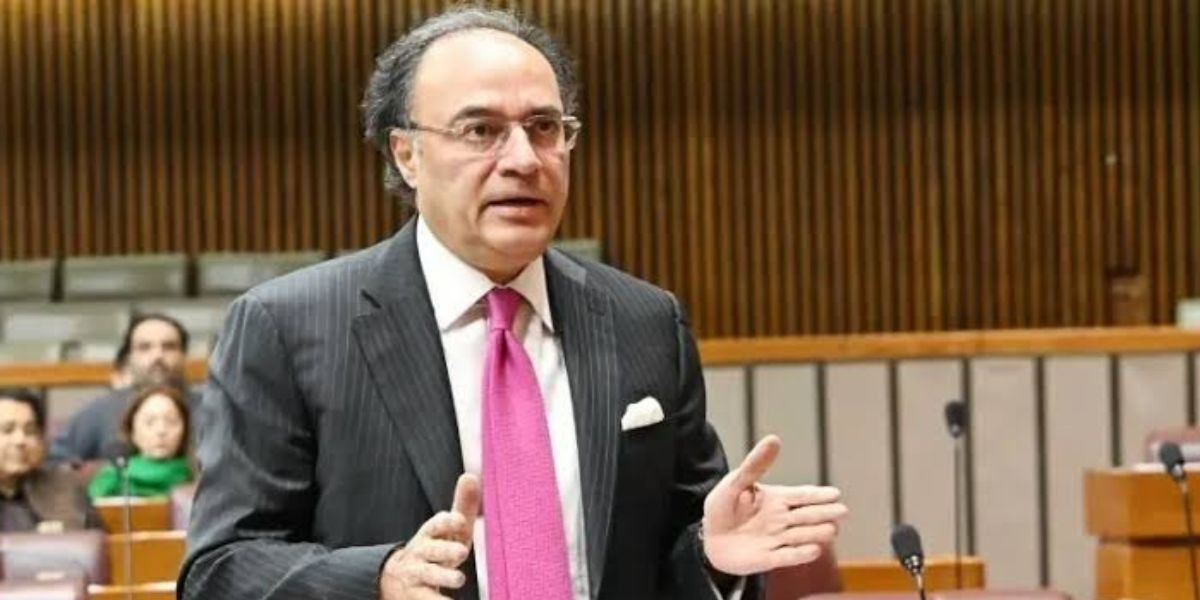
Pakistan’s Finance Minister Muhammad Aurangzeb presented the FY2026-27 budget in the National Assembly (NA) on Friday, during a session that began two hours late and was marred by loud protests from the opposition.
While speaking in the National Assembly, Aurangzeb said, “I am pleased to announce that under the prime minister’s guidance, our government will reduce tax rates for different income groups to ease the burden on employees.”
Finance minister told parliament the government would allocate 3 trillion rupees for defence in the fiscal year starting July, up 18% from the outgoing year, while setting federal development spending at 1 trillion rupees.
The budget provides significant relief for salaried taxpayers through a restructuring of income tax slabs and an increase in the threshold for the top 35 per cent tax rate from Rs 4.1 million to Rs 7 million.
In a major policy shift, the long-debated deemed income tax on immovable property under Section 7E has been abolished. Advance tax on property transactions has also been reduced, a move aimed at reviving activity in the real estate market and encouraging formal documentation.
The budget provides significant relief for salaried taxpayers through a restructuring of income tax slabs and an increase in the threshold for the top 35 per cent tax rate from Rs 4.1 million to Rs 7 million.
The Budget 2026–27 marks a clear shift toward a digitally enforced tax regime, combining selective relief for households, exporters and strategic industries with expanded surveillance, withholding taxes and automated compliance systems.
Analysts say much of the adjustment is likely to fall on salaried workers and businesses already inside the tax net, as politically powerful sectors such as agriculture, retail and real estate remain difficult to tax.
After unveiling budget, Prime Minister Shehbaz Sharif said Pakistan had entered a period of “prosperity” after achieving economic stability, describing the newly unveiled federal budget as one that would deliver relief to citizens after years of economic hardship and IMF-backed reforms.
He said in a statement issued by his office, “I had promised the people that once economic stability was achieved, its benefits would be directly passed on to the common man.”
Also read:Sherry Rehman calls for urgent action to end child labour in Pakistan