ISLAMABAD: The 23rd summit of the Shanghai Cooperation Organization (SCO) is officially underway in Pakistan as high-profile delegates, including prime ministers and foreign ministers from member nations, have begun arriving in Islamabad for the two-day event.
Prime ministers from three member states have already touched down in the capital for the two-day event, where they were warmly welcomed by federal ministers.
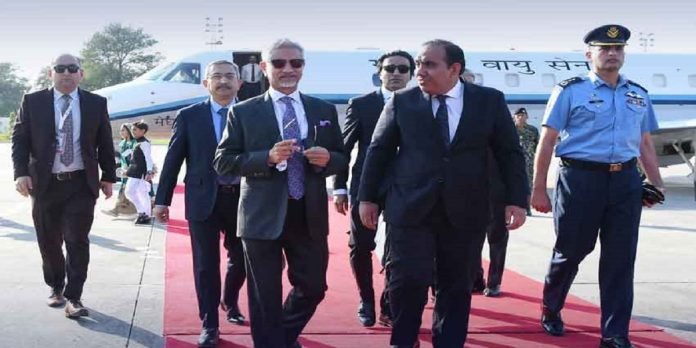
Indian External Affairs Minister S Jaishankar has touched down in Islamabad, marking a historic moment between the two countries. His presence has sparked interest as it could offer a platform for indirect dialogue between the two neighbouring nations despite ongoing tensions.
This is the first time in around a decade that an Indian external affairs minister has arrived in Pakistan since the previous one by the late Sushma Swaraj. Jaishankar was received at the Nur Khan airbase by Foreign Office Director General (South Asia & SAARC) Ilyas Mehmood Nizami.
Landed in Islamabad to take part in SCO Council of Heads of Government Meeting.
Later, the visiting Indian minister tweeted from his official X handle that he landed in Islamabad for the SCO Council of Heads of Government meeting.
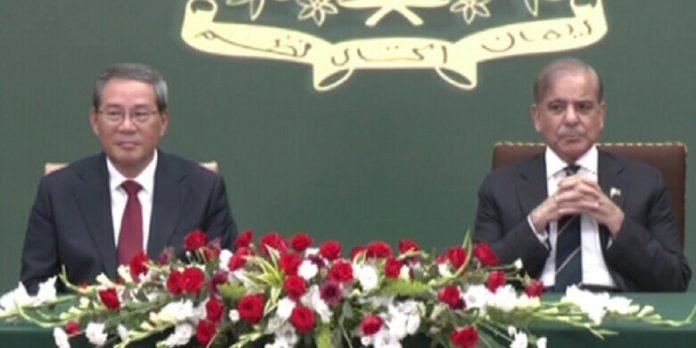
ISLAMABAD: Prime Minister Muhammad Shehbaz Sharif has reiterated that he held the most productive talks with Chinese Premier Li Qiang.
“We expressed satisfaction at the progress of various important initiatives of the China Pakistan Economic Corridor (CPEC) and agreed to ensure their timely execution”.
The Premier also said that the two leaders also discussed ways to further enhance cooperation in multiple areas including trade, investment, economy, energy, agriculture, IT, and defence as well as regional peace and security,” the prime minister posted on X handle.
He further said that their strategic partnership and full understanding on the core issues was a cornerstone of regional stability and prosperity.
“We presided over the completion ceremony of New Gwadar Airport and witnessed the exchange of important MoUs that will enhance bilateral cooperation in various fields. Long live Pakistan-China friendship!” he further posted.
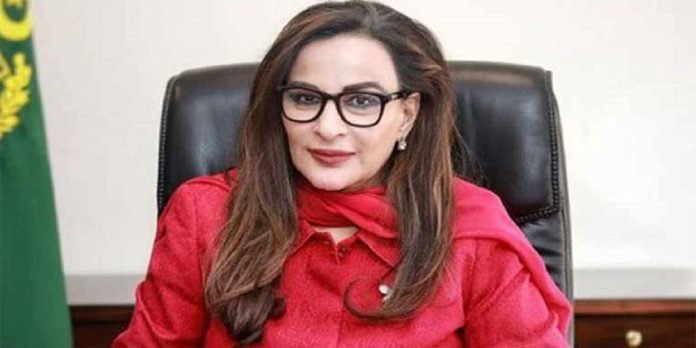
ISLAMABAD: The Vice President of Pakistan People’s Party (PPP) Senator Sherry Rehman has expressed hope that after Pakistan hosting the high-level delegations for the SCO Summit, that will pave way for economic growth of the country.
Talking to a private news channel, Sherry Rehman said that after decades, such high-level delegations were visiting the country for economic, diplomatic, and strategic ties.
She emphasized that political parties should set aside their differences and work together for the summit’s success.
She highlighted that the 23rd SCO summit is a pivotal geopolitical moment, as the economic trajectory is shifting towards Asia, and Pakistan is a key player in this process.
ISLAMABAD: The two-day Shanghai Cooperation Organization (SCO) Summit begins today (Tuesday) in the federal capital, Islamabad, under tight security.
Prime Minister Shehbaz Sharif will preside over the meeting, while the SCO member states will be represented by the Prime Ministers of Russia, Belarus, Kazakhstan, Kyrgyzstan, Tajikistan, and Uzbekistan, as well as the First Vice President of Iran and the External Affairs Minister of India.
Premier Li Qiang of the State Council of China will represent his country.
The Prime Minister of Mongolia, as an Observer State, and the Deputy Chairman of the Cabinet of Ministers and Foreign Minister of Turkmenistan, as a Special Guest, will also participate in the meeting.
The SCO Council of Heads of Government will discuss ongoing cooperation in the fields of economy, trade, environment, and socio-cultural linkages, and review the organization’s performance.
Prime Minister Shehbaz Sharif is also scheduled to hold important bilateral meetings with visiting heads of delegations on the sidelines of the Summit.
The SCO Summit is expected to serve as a key platform for fostering regional cooperation, boosting trade and investment, and enhancing socio-economic and cultural ties among member states.
Diplomatic and political experts believe that this significant meeting of the heads of government from SCO member states will not only foster collaborative efforts to address pressing regional issues but also elevate Pakistan’s standing on the global stage as a leader.
The SCO, comprising member states that account for approximately 40 percent of the global population and 32 percent of the world’s GDP, provides Pakistan with an excellent opportunity to shape its economic and investment future.
The roots of the SCO trace back to the Shanghai Five, established in 1996, evolving significantly after Uzbekistan joined in 2001. More recently, Pakistan became a full member in 2017, following its successful role as an observer from 2015 to 2017.
Experts highlight that the collective strength of the SCO can be harnessed through collaborative initiatives aimed at promoting regional cooperation and deepening economic partnerships, which are vital for the shared prosperity of the people across SCO states.
They further noted that Pakistan’s significance in the region has grown since the launch of the China-Pakistan Economic Corridor (CPEC), making the country an attractive destination for investment.
For Pakistan, fostering an environment of open dialogue and cooperation is essential to addressing key challenges, including trade barriers. Experts expressed hope that Pakistan will effectively present its stance on regional issues during the summit.
They also emphasized that the SCO summit represents a pivotal moment for regional diplomacy and the advancement of economic cooperation, with the potential to positively impact not only Pakistan but also the broader region.
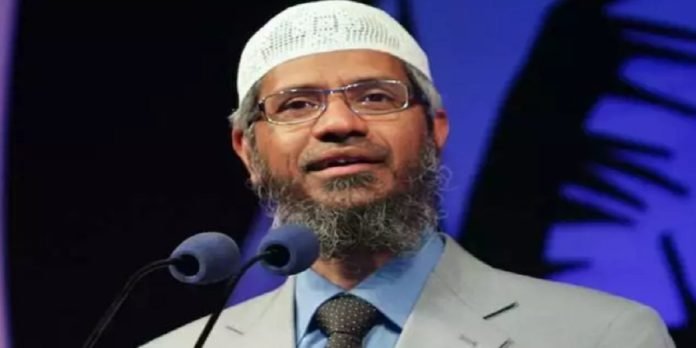
KARACHI: Renowned Islamic scholar Dr Zakir Naik has revealed that the fake rumors were being spread against Islam by forces of evil.
Dr Naik said while addressing a gathering at the Sindh Governor House. “The propaganda is being staged on foreign media against Islam. I feel that the media is the most dangerous key tool, contemporary”, Dr Naik told the gathering.
He further stated, “I have come to Pakistan on the invitation of the government”.
“We Muslims are quite experts of the entertainment media,” Dr. Naik added.
He maintained: “I had a wish of visiting Pakistan on tour of delivering lectures.”
Expressing his thoughts, Sindh Governor Kamran Tessori said: “Today, the people belonging to all the religions, sects are present today. I have always tried my level best to do something for the sake of the masses.
He commended the efforts of Dr Naiik, saying, “The entire world acknowledges the contributions made by Dr. Zakir Naik.”
“Sindh is the land of saints, while Karachi is an economic hub of Pakistan”, he concluded.
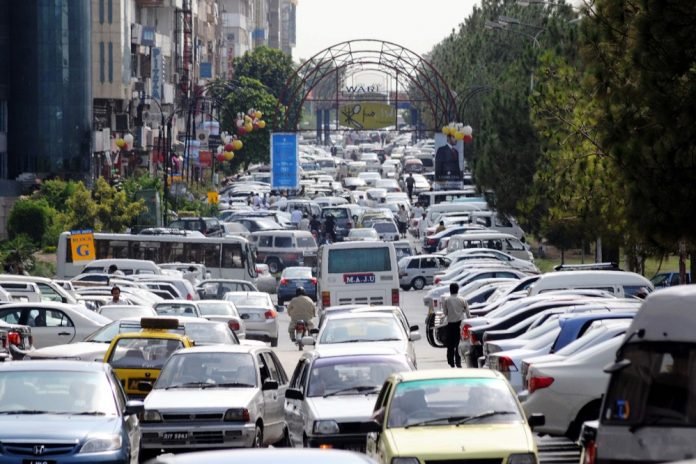
ISLAMABAD: Due to potential road closures across the federal capital, the private schools’ association has announced that schools will remain closed on Friday (today) as Pakistan Tehreek-e-Insaf (PTI) plans to hold a protest for the “independence of the judiciary” at D-Chowk.
“Children’s safety is our top priority […] Even today, students faced difficulties due to road blockades,” said Waheed Khan, General Secretary of the Private Schools’ Association, in a statement issued late Thursday.
This development follows the former ruling party — founded by Imran Khan — announcing its plans to hold a demonstration at D-Chowk for the “independence” of the judiciary and the release of the former prime minister from jail.
The Islamabad district administration has already enforced Section 144 and the “Peaceful Assembly and Public Order Act, 2024,” regulating public assemblies in certain areas of the capital.
In efforts to prevent the potential protest, authorities have begun sealing parts of the federal capital by placing containers to block Murree Road, leading towards Faizabad Interchange and Islamabad Expressway.
In addition to strict security measures, road blockades have been set up at various points to prevent protesters from gathering in the capital. Meanwhile, the motorway police have also closed Motorway M-1 at Swabi Interchange.
In a separate statement, Islamabad police announced that all Khidmat Markaz Centres and driving license branches will also remain closed.
Meanwhile, Rawalpindi has been put on high alert, with at least 4,000 security personnel deployed across the city. Furthermore, the metro bus service from Saddar to IJP Road will remain suspended today (Friday).
ISLAMABAD: Federal Interior Minister Mohsin Naqvi has called on the Pakistan Tehreek-e-Insaf (PTI) to withdraw its planned protest on October 4, emphasizing the importance of maintaining calm during a sensitive period, as foreign dignitaries are set to visit the capital.
In a press briefing, the Security Czar stressed that protests are ill-timed when a foreign head of state is in the country, particularly with the upcoming visits of a high-level Saudi delegation and the Chinese President.
Naqvi, accompanied by senior officials including Federal Secretary of Interior Agha Khurram and IGP Islamabad Police Ali Nasir Rizvi, outlined the government’s stance on the matter.
“We are at a critical juncture in the administration of Islamabad, with significant international events on the horizon,” Naqvi remarked. The Chinese President is scheduled to arrive on October 17, coinciding with the Shanghai Cooperation Organization (SCO) conference.
The minister urged PTI to pursue political discourse without jeopardizing diplomatic relations. “Protest is a right, but it should not come at the expense of our nation’s honor,” he said, referencing past incidents that have affected Pakistan’s international reputation.
He highlighted the example of a minor incident during former Indian Prime Minister Atal Bihari Vajpayee’s visit to Lahore, which has since been ridiculed.
Reiterating the government’s firm stance, Naqvi declared that there would be “no leniency” for those attempting to disrupt peace. He referenced the enforcement of Section 144 in Islamabad, which prohibits public gatherings without prior approval.
“If PTI insists on proceeding with the protest, they must comply with legal protocols, including reserving a venue,” he added.
The interior minister called on PTI leaders, particularly the Chief Minister of Khyber Pakhtunkhwa, to reconsider their plans in the national interest. “These are not the right days for protests. We must prioritize Pakistan’s interests over political affiliations,” he asserted.
Naqvi confirmed that security measures were being intensified, with the deployment of police and paramilitary forces starting on October 5. “The police have made all necessary arrangements, and we will take every precaution to ensure the safety of our guests,” he assured.
In response to questions about the legality of the protests, IGP Islamabad revealed that preparations had been made to arrest individuals linked to organizing demonstrations. “Items intended for potential violence, including sticks, stones, and other projectiles, have been recovered from some protesters,” he reported.
The PTI had announced the protest to demand the “independence of the judiciary,” despite the ban on public gatherings in Islamabad, with plans to rally at D-Chowk. This announcement followed threats from Khyber Pakhtunkhwa Chief Minister Ali Amin Gandapur against the federal government.
PTI Chairman Imran Khan has also called for a series of protests across various cities, including Lahore, despite the new Public Order Act 2024, which mandates prior notification for public gatherings.
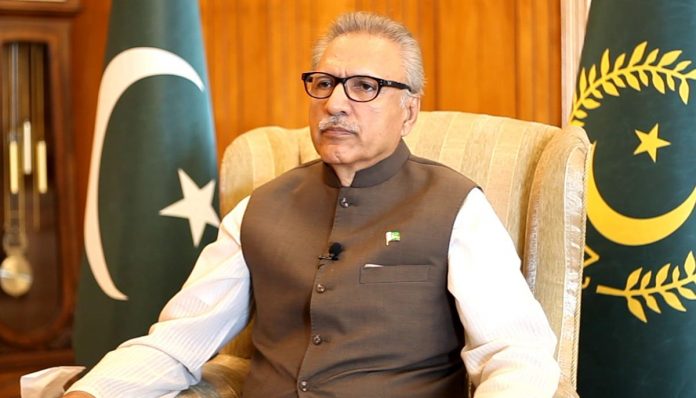
KARACHI: The Sindh Building Control Authority (SBCA) has reportedly sealed a dental clinic owned by former president of Pakistan, Dr. Arif Alvi, citing violations of zoning regulations.
SBCA officials revealed that the clinic, located in the Sindhi Muslim Cooperative Housing Society (SMCHS), was being operated in a residential bungalow, which is in violation of the authority’s rules.
The operation to seal the clinic was conducted under the supervision of SBCA Assistant Director Shakeel Jamali. A team of SBCA officials, accompanied by local police, participated in the action.
Authorities claim that the clinic was being operated in a residential area without the necessary permits for commercial activity.
Sources further disclosed that the clinic’s location in a residential zone had prompted complaints, leading to the SBCA’s crackdown. “This is part of our ongoing efforts to address the illegal commercial use of residential properties,” said an SBCA official, speaking on condition of anonymity.
Dr. Arif Alvi, who served as Pakistan’s president from 2018 to 2023, has not yet publicly commented on the matter. The clinic, a long-standing establishment in the area, has garnered attention due to Dr. Alvi’s political profile.
SRINAGAR: Leader of the Opposition in the Lok Sabha (the lower house of the Indian Parliament) Rahul Gandhi will address two public rallies in Ramban and Islamabad (Anantnag) districts today, September 4.
The two public rallies will kickstart the Congress party’s campaign for the J&K Assembly polls being held after a gap of 10 years.
These rallies are part of the campaign for the party’s candidates contesting in the first phase of the elections on September 18.
Besides Rahul Gandhi, Congress chief Mallikarjun Kharge, Sonia Gandhi, and Priyanka Gandhi Vadra are among the 40 star campaigners of the party in the upcoming three-phased Assembly polls.
Polling to elect 90 Jammu and Kashmir Assembly members will be held on September 18, 25, and October 1. “Rahul ji will kickstart the party’s campaign starting tomorrow. On Wednesday, he will address two public rallies in Ramban and Islamabad (Anantnag) districts in support of Congress candidates,” Jammu and Kashmir Pradesh Congress Committee (JKPCC) chief Tariq Hamid Karra told media person in Srinagar.
Rahul and Kharge were in Jammu and Kashmir last month ahead of NC-Congress alliance announcement.
The Congress and the National Conference have entered into a pre-poll alliance for the assembly elections in Jammu and Kashmir, being held for the first time since the abrogation of Article 370 of the Constitution in August 2019.
Karra said Rahul Gandhi will arrive in Jammu from Delhi on Wednesday and then fly to the Gool area of Ramban district to address a rally in the afternoon. He will campaign for former Jammu and Kashmir unit chief of the party Vikar Rasool Wani, who is contesting from the Banihal assembly constituency. Polling for the seat will be held in the first phase on September 18.
SRINAGAR: The highly anticipated ‘Delhi Chalo Padyatra’ (Delhi March) commenced today Monday from Memorial Park in Leh, Ladakh region of Indian illegally occupied Jammu and Kashmir, (IIOJK) with hundreds of participants and supporters in attendance.
Thupstan Chhewang, Chairman of the Leh Apex Body, flagged off the march, joined by Co-chairman Chering Dorje and other prominent figures.
The 30-day peaceful march, organized by the Leh Apex Body, aims to draw attention to Ladakh’s four-point agenda including implementation of the Sixth Schedule. Renowned environmentalist Sonam Wangchuk leads the march, which will culminate in Delhi on October 2, Gandhi Jayanti.
Participants include religious leaders, activists, and concerned citizens, such as 75-year-old Tsering Namgyal, who expressed concerns about Ladakh’s future and rising unemployment. The march has garnered widespread support, with members of the Kargil Democratic Alliance expected to join in Delhi.
This initiative follows a series of hunger strikes, including Wangchuk’s 28-day hunger strike and a subsequent 66-day strike by thousands of volunteers. Leaders in Leh have vowed to continue the movement.