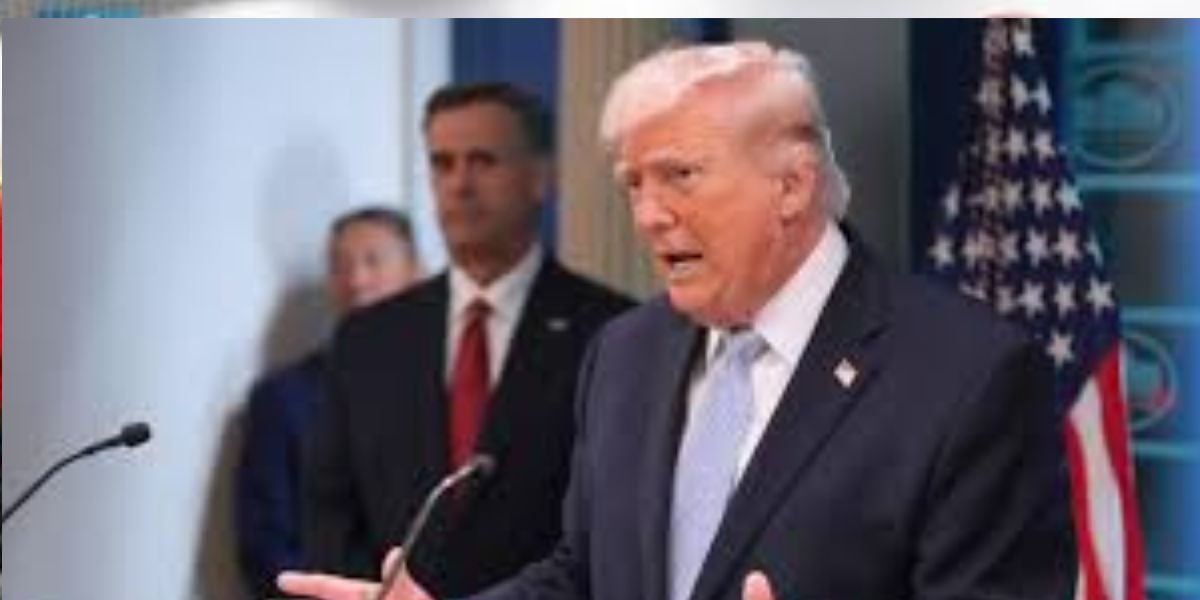
US President Donald Trump said on Tuesday that a deal to end the war in Iran could be reached in “two or three days,” and that the critical Strait of Hormuz would reopen “immediately” after such a deal.
After returning from an NBA Finals game, U.S. President Donald Trump told reporters that both Iran and Israel had agreed to stop further escalation through American mediation, adding that a deal could be reached within “two or three days.”
He described the process as being in its final phase and called the expected outcome a “very, very good deal”.
He has repeatedly said an agreement with Tehran is close. However, diplomacy has apparently stalled for weeks as both sides continue to accuse each other of violations despite a ceasefire in place since April 8.
Officials from Israel said nearly 30 missiles were fired, with no immediate casualties reported on either side.
Iran has insisted any agreement must also include the situation in Lebanon, where Israel has intensified operations against Hezbollah.
Iran fired missiles at Israel on Sunday, prompting Israeli retaliation despite US calls for restraint.
Benjamin Netanyahu, Israeli Prime Minister later said the “fire on that front is contained”, though both sides continued issuing warnings of further escalation.
Tehran warned it would strike again if Israeli operations in Lebanon persisted, while Israel said it would respond with “full force” to any renewed Iranian attacks.
Israeli Defence Minister Israel Katz said military operations in Lebanon would continue regardless of diplomatic developments and indicated strikes on Hezbollah-linked areas in southern Beirut would follow attacks on northern Israel.
As per the Axios, Israel had been preparing a larger wave of strikes on Iran before Trump personally urged Netanyahu to de-escalate. Trump reportedly warned him that continued escalation could leave Israel “on its own very soon”.
US Vice President JD Vance said Washington and Israel share strategic interests but do not always align, noting that differences occasionally emerge in approach.
Despite tensions, Tehran remained relatively calm, with cafes open and traffic lighter than usual. Queues formed at petrol stations as residents monitored developments.
In Tel Aviv, sirens sent residents into shelters, with civilians describing uncertainty over whether the latest escalation would remain brief or expand into wider conflict.
Iranian authorities later reopened Tehran’s international airport after its closure during missile exchanges, allowing flights carrying Hajj pilgrims from Saudi Arabia to land.
The conflict has disrupted shipping through the Strait of Hormuz, putting pressure on global energy markets. Oil prices, which had risen more than five per cent earlier in the week, eased on Tuesday as traders reassessed risk levels.
Iranian officials said Tehran remained “at the negotiating table”, signalling continued engagement despite escalating tensions.
Also read:Iran and Israel say they have halted strikes on each other for now